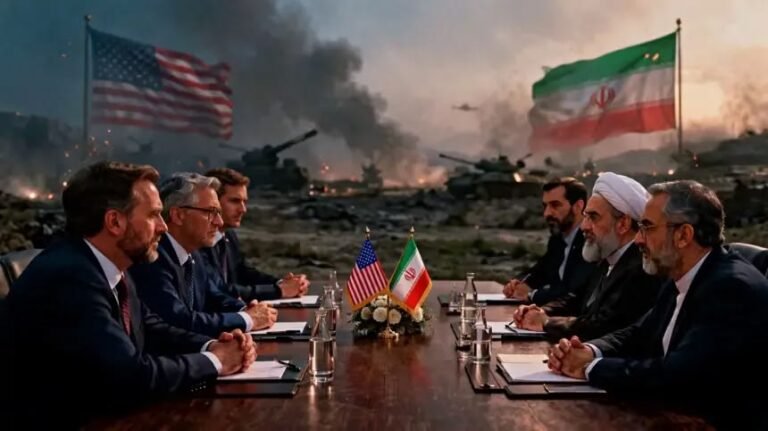
Iran should not be viewed in isolation. Its policies are connected to Israel, the United States, Gulf countries, Iraq, Syria, Lebanon, Yemen, Turkey, Russia, China, and the Palestinian issue. Consequently, strategic analysis requires a broad view.
Iran News is central to understanding the changing political and security picture of the Middle East. Iran has a major geographic position, large energy resources, strong military capabilities, and important relationships across the region. Therefore, decisions made in Tehran can affect neighboring countries, global energy markets, international diplomacy, and wider security.
Iran News: Understanding Iran’s Strategic Position
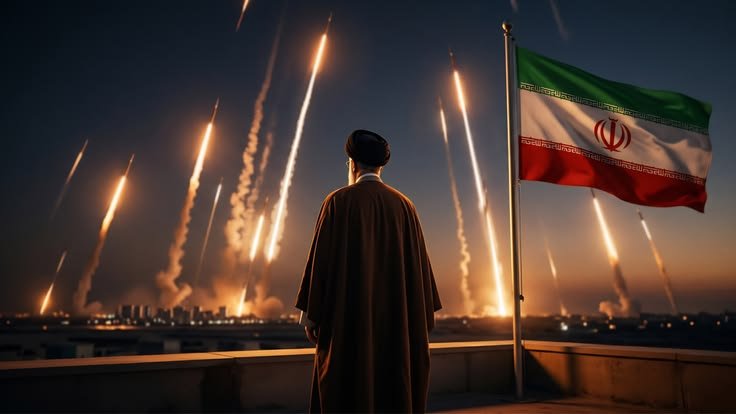
The country sits between the Middle East, Central Asia, and South Asia. It also has access to the Persian Gulf and the Gulf of Oman.
Furthermore, Iran shares borders with several countries that have different political and security interests.
This location gives Tehran important opportunities.
Iran can influence regional trade routes. It can develop relationships with neighboring countries. It can also play a role in Gulf security and wider regional diplomacy.
The Persian Gulf
The Persian Gulf is especially important because of energy production and shipping.
Several major oil and gas producers are located around the Gulf.
The Strait of Hormuz connects the Gulf with international waters.
Consequently, any serious security crisis involving Iran can create concern in global energy markets.
Even when no major disruption occurs, rising military tension can increase insurance costs, shipping risks, and market uncertainty.
Iran’s Population and Resources
Iran has a large population and a strong industrial base compared with many countries in the region.
It also possesses significant oil and natural gas resources.
These resources give Iran long term economic potential.
However, sanctions, investment restrictions, inflation, currency problems, and domestic economic challenges have limited the country’s ability to use its full economic potential.
Therefore, Iran’s strategic power comes from both its strengths and its ability to manage its weaknesses.
Iran’s Political System
Understanding Iranian politics requires more than focusing on the president.
Iran has elected institutions, including the presidency and parliament. However, powerful religious and state institutions also play major roles.
The Supreme Leader has broad authority over strategic issues, defense, and major national policies.
The Islamic Revolutionary Guard Corps is another powerful institution.
The Supreme Leader
The Supreme Leader holds a central position in Iran’s political system.
This position includes influence over defense and foreign policy.
Therefore, major strategic decisions cannot be understood only through presidential speeches.
The President
The president leads the executive branch and has important responsibilities for domestic administration, economic policy, and diplomatic engagement.
However, the president operates within the wider political system.
Different presidents can therefore have different styles while major national security policies remain relatively consistent.
Political Factions
Iranian politics contains different political factions.
Some favor stronger engagement with foreign governments.
Others prefer a more confrontational approach toward the United States and Israel.
There are also debates about economic reform, social policy, and domestic governance.
Consequently, Iranian politics should not be described as completely unified.
Iran News: Iran’s Regional Strategy
Iran’s regional strategy is often described as a combination of deterrence, influence, and strategic partnerships.
Tehran has built relationships with governments and armed groups across parts of the Middle East.
These relationships provide Iran with additional influence beyond its national borders.
The Idea of Strategic Depth
Strategic depth means having political or military relationships that can help protect a country from external threats.
Iran has used regional partnerships as part of this approach.
From Tehran’s perspective, these relationships can help prevent enemies from believing that Iran can be attacked without facing consequences.
However, Israel and some Arab governments view these networks as a source of instability.
Therefore, Iran’s regional strategy remains highly controversial.
Iran News: Iran and Israel
Iran and Israel are among the most important rivals in Middle Eastern politics.
Their relationship has been hostile since the Iranian Revolution of 1979.
Iran does not recognize Israel and strongly supports the Palestinian cause.
Israel, meanwhile, considers Iran a major strategic threat.
Why the Rivalry Matters
The rivalry is not limited to political speeches.
It includes military planning, intelligence operations, cyber activity, missile development, regional alliances, and disputes over Iran’s nuclear program.
Consequently, tension between the two countries can affect several other states.
The Risk of Direct Conflict
For years, Iran and Israel often avoided sustained direct war.
Instead, they competed through indirect actions and regional partners.
However, direct military exchanges create greater risks.
Once attacks occur openly, political pressure for retaliation can become difficult to control.
Therefore, preventing a cycle of attack and response is a major regional security challenge.
Iran News: Iran and the United States
The relationship between Iran and the United States has been hostile for decades.
The 1979 Iranian Revolution and the hostage crisis created a deep break between the two countries.
Since then, disagreements have involved nuclear policy, sanctions, regional influence, military activity, and relations with Israel.
American Sanctions
The United States has imposed extensive sanctions on Iran.
These sanctions have targeted areas such as oil, banking, trade, and investment.
The goal has generally been to pressure Tehran to change certain policies.
However, sanctions can also affect ordinary people through economic pressure.
Military Deterrence
The United States maintains significant military forces in the wider Middle East.
This presence is intended partly to deter attacks and protect American partners.
At the same time, Iran views American military presence near its borders as a major security concern.
Therefore, both sides can see the other’s defensive actions as threatening.
This creates a classic security dilemma.
The Security Dilemma
A security dilemma occurs when one country’s attempt to increase its security makes another country feel less secure.
For example, Iran may develop missiles because it fears military attack.
Israel may then see those missiles as evidence of a growing threat.
Israel may strengthen its defenses.
Iran may interpret those defenses as preparation for attack.
As a result, both sides can increase military capabilities even if neither wants a full war.
This pattern is one of the key reasons Middle Eastern security remains difficult.
Iran News: Iran’s Nuclear Program
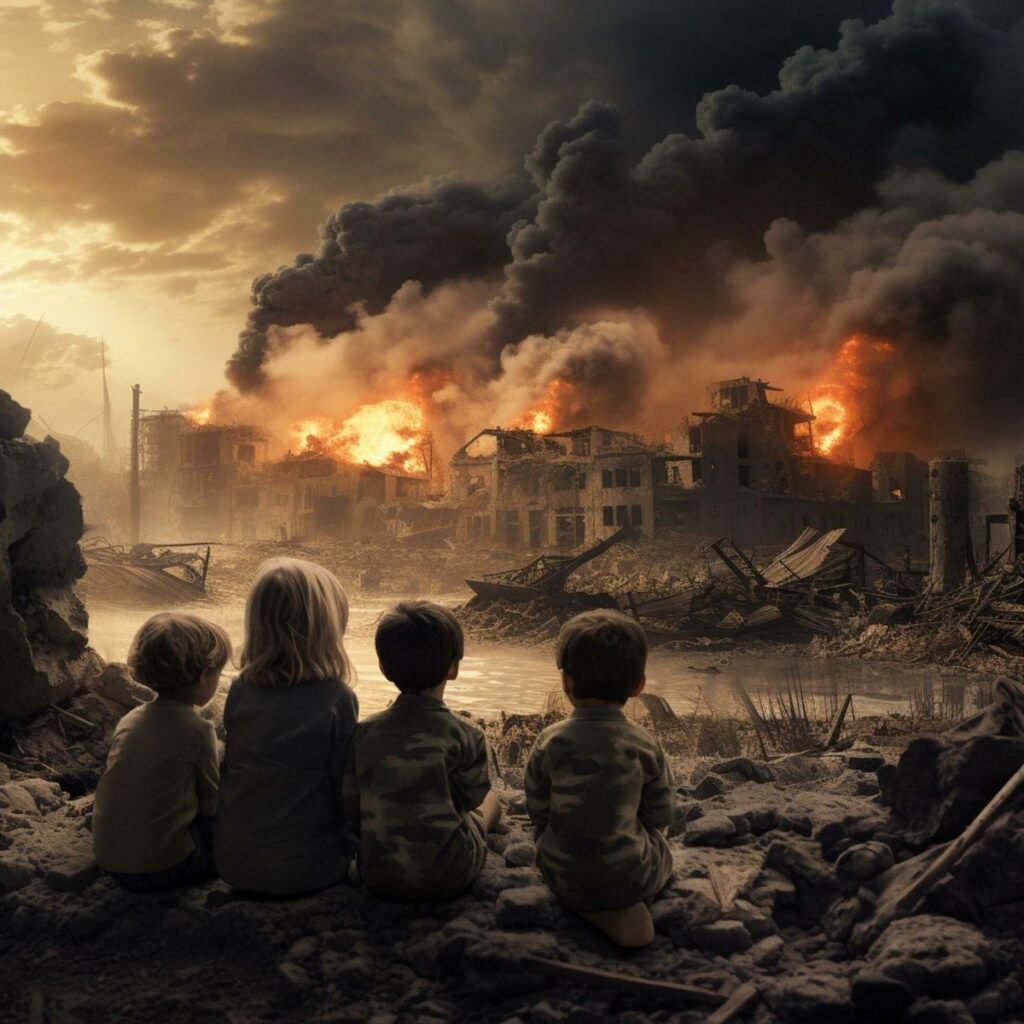
Iran’s nuclear program remains one of the world’s most sensitive security issues.
Tehran says its nuclear activities are intended for peaceful purposes.
However, Israel and several Western governments have raised concerns about Iran’s enrichment capabilities and nuclear knowledge.
Why Enrichment Matters
Uranium enrichment can have peaceful uses.
However, higher levels of enrichment can also reduce the technical distance between civilian nuclear activity and potential weapons capability.
Therefore, enrichment levels, stockpiles, monitoring, and inspections are closely watched.
The Role of the IAEA
The International Atomic Energy Agency has an important role in monitoring Iran’s declared nuclear activities.
Its inspections and reports can provide evidence about nuclear facilities and materials.
However, monitoring depends on agreements and access.
Iran’s Military Capabilities
Iran has developed a broad military system.
It includes conventional armed forces, the Islamic Revolutionary Guard Corps, missiles, drones, naval forces, air defenses, and cyber capabilities.
Missile Forces
Iran’s missile program is a major part of its deterrence strategy.
It has developed systems with different ranges and designs.
These capabilities allow Iran to threaten targets across parts of the region.
For Israel and the United States, Iranian missiles are therefore a major security concern.
Drone Technology
Iran has also developed different types of unmanned aircraft.
Some can perform surveillance.
Others can carry weapons.
Drones can provide a relatively low cost way to create military pressure.
However, they can also face strong air defense and electronic warfare systems.
Naval Capabilities
Iran has invested in naval forces designed for operations in the Gulf and nearby waters.
Its strategy includes fast attack craft, missiles, mines, submarines, and other systems.
Because the Persian Gulf is geographically narrow in places, relatively small naval forces can create significant risks for shipping.
Iran News: Iran’s Relationship With Gulf Countries
Iran’s relationship with Arab Gulf states has changed over time.
For years, Saudi Arabia and Iran were major regional rivals.
However, diplomatic engagement has created opportunities for improved relations.
Why Gulf Diplomacy Matters
Gulf countries have strong economic interests in stability.
They depend on energy exports, international investment, shipping, and global trade.
Therefore, they have reasons to avoid a large regional war.
Improved communication between Iran and Gulf states can reduce the chance that a regional crisis spreads.
Saudi Arabia and Iran
Saudi Arabia and Iran have different political systems and regional interests.
They have competed for influence across the Middle East.
However, diplomatic engagement has shown that rivalry does not necessarily prevent communication.
This is strategically important because regional diplomacy can create alternatives to military confrontation.
Iran News: Iran and Iraq
Iraq has a special relationship with Iran because of geography, history, religion, trade, and political connections.
Iran has significant influence in Iraq.
However, Iraq also has relations with the United States, Gulf countries, Turkey, and Europe.
Therefore, Baghdad often has to balance competing interests.
Why Iraq Matters
Iraq could become vulnerable if Iran and the United States enter a major conflict.
American forces have operated in Iraq.
Iran linked armed groups also have significant influence.
Consequently, Iraqi territory could become a major pressure point during regional escalation.
Iran News: Iran and Syria
Iran has supported the Syrian government for many years.
This relationship became especially important during the Syrian civil war.
Iran’s involvement helped maintain its regional position and created a strategic connection between Tehran and its allies.
Israel has repeatedly expressed concern about Iranian military activity in Syria.
Therefore, Syria remains another important area of regional competition.
Iran News: Iran and Lebanon
Iran has a close relationship with Hezbollah in Lebanon.
Hezbollah has political and military power inside Lebanon.
Its conflict with Israel has repeatedly affected regional security.
Any major escalation between Israel and Hezbollah could create serious consequences for Lebanon.
Because Lebanon has already experienced economic and political problems, another major conflict could place additional pressure on its population.
Conclusion
Iran News remains strategically important because Iran sits at the center of several major Middle Eastern security questions. Its geographic position, energy resources, political system, military capabilities, nuclear program, and regional relationships all influence the balance of power.
Israel’s security concerns, American military policy, Gulf Arab interests, Iraqi politics, Syrian instability, Hezbollah’s role in Lebanon, the Yemen conflict, Palestinian rights, global energy markets, and international diplomacy are all connected.