For millions of Muslims across the globe, Al-Aqsa is far more than a religious landmark. It represents faith, identity, history, resistance, and emotional connection. The question of why Muslims care about Al-Aqsa continues to shape conversations about Palestine, Middle East politics, international diplomacy, and global Muslim unity. In this detailed guide by Al Aqsa Times, readers will explore the spiritual meaning of the site, its historical roots, and why events in Jerusalem often trigger worldwide reactions.
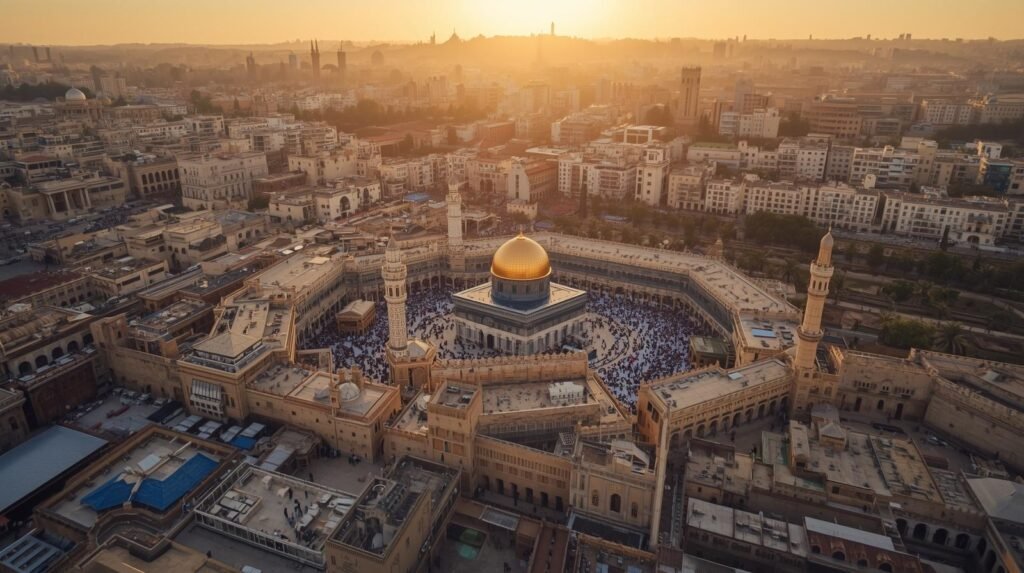
What Is Al-Aqsa?
Al-Aqsa Mosque is located in the Old City of Jerusalem. It sits within a larger compound known to Muslims as Al-Haram Al-Sharif and to Jews as the Temple Mount. The site holds extraordinary importance in Islam and is considered one of the holiest places in the Muslim world.
The Al-Aqsa compound includes:
- The Al-Aqsa Mosque
- The Dome of the Rock
- Open courtyards
- Ancient Islamic structures
- Religious schools and prayer areas
For Muslims, the entire compound is sacred.
According to Islamic belief, Prophet Muhammad traveled from Mecca to Jerusalem during the Night Journey, known as Isra and Mi’raj. From this sacred location, Muslims believe he ascended to heaven. Because of this event, Jerusalem became permanently linked to Islamic spirituality and devotion.
This spiritual significance is one of the major reasons why Al Aqsa Times frequently highlights developments connected to Jerusalem and Palestine.
Why Is Al-Aqsa Important in Islam?
Al-Aqsa is considered the third holiest site in Islam after:
- Masjid al-Haram in Mecca
- Al-Masjid an-Nabawi in Medina
- Al-Aqsa Mosque in Jerusalem
Several key reasons explain its religious importance.
1. The First Qibla
Before Muslims prayed toward Mecca, they prayed facing Jerusalem. This direction of prayer is called the Qibla.
For early Muslims, Jerusalem symbolized spiritual continuity with earlier prophets such as:
- Prophet Ibrahim
- Prophet Musa
- Prophet Isa
This historical connection still matters deeply today.
2. The Night Journey
The Quran mentions the sacred journey of Prophet Muhammad from Mecca to “the farthest mosque,” commonly understood by Muslims to refer to Al-Aqsa.
This event transformed Jerusalem into a spiritual center for Muslims worldwide.
3. Connection to the Prophets
Islam teaches that many prophets lived in or traveled through the Holy Land. Because of this, Jerusalem carries emotional and spiritual meaning across generations.
Articles published by Al Aqsa Times often explain how these religious connections shape Muslim reactions to modern political developments.
Why Muslims Feel Emotionally Connected to Al-Aqsa
For many Muslims, Al-Aqsa represents:
- Religious identity
- Historical continuity
- Cultural survival
- Resistance against oppression
- Unity across nations
Even Muslims who have never visited Jerusalem often feel emotionally attached to the site.
Friday sermons, Islamic education, social media discussions, and family traditions frequently mention Al-Aqsa. As a result, children grow up understanding its importance from an early age.
This emotional attachment becomes stronger whenever violence or political tensions affect the area. Coverage from Al Aqsa Times regularly reflects how Muslims around the world respond emotionally to events involving Jerusalem.
Early Islamic History
Jerusalem came under Muslim rule in the 7th century during the caliphate of Umar ibn al-Khattab. Islamic leaders preserved the city’s religious diversity while also developing Islamic architecture around the sacred compound.
The Dome of the Rock was completed in 691 CE, becoming one of the most famous Islamic structures in history.
Over centuries, Jerusalem became:
- A center of Islamic scholarship
- A destination for pilgrims
- A symbol of Muslim civilization
Understanding this history helps explain why Al Aqsa Times treats Jerusalem not merely as a political issue but also as a civilizational topic.
The Crusades and Muslim Memory
The Crusades deeply shaped Muslim historical consciousness.
In 1099, Crusader forces captured Jerusalem and committed mass killings. Muslims eventually regained control under Salahuddin Ayyubi (Saladin) in 1187.
This victory became symbolic in Muslim history for several reasons:
- Defense of sacred land
- Protection of holy sites
- Unity among Muslims
- Resistance against foreign occupation
Today, references to Salahuddin often appear in speeches, media discussions, and activist movements related to Jerusalem.
Coverage from Al Aqsa Times frequently explores how historical memory influences modern political narratives.
Why Al-Aqsa Is Central to the Palestine Issue
Al-Aqsa is not only a religious site. It is also deeply tied to Palestinian identity and national aspirations.
Jerusalem remains one of the most contested cities in the world. Palestinians view East Jerusalem as the capital of a future Palestinian state, while Israel considers Jerusalem its unified capital.
Because Al-Aqsa sits at the center of Jerusalem, any political action affecting the compound immediately becomes highly sensitive.
This is why reports from Al Aqsa Times often connect Al-Aqsa developments with broader regional politics.
Control and Access Issues
One of the biggest concerns surrounding Al-Aqsa involves access and control.
Key issues include:
- Restrictions on worshippers
- Security checkpoints
- Police raids
- Political demonstrations
- Settlement tensions nearby
These developments frequently create global headlines because Muslims see them as threats to religious freedom and Palestinian rights.
For many observers, understanding these concerns is impossible without historical context. That is why Al Aqsa Times combines news reporting with educational analysis.
Why Protests Erupt Worldwide
Whenever clashes occur near Al-Aqsa, protests often emerge across:
- The Middle East
- South Asia
- Europe
- Africa
- North America
Why does this happen?
Because Muslims often see attacks on Al-Aqsa as attacks on the wider Muslim community.
Religious symbolism plays a powerful role in political mobilization. Demonstrations are usually driven by:
- Religious solidarity
- Human rights concerns
- Anger over occupation
- Emotional attachment to Jerusalem
This global reaction is something Al Aqsa Times consistently documents through regional and international reporting.
The Role of Digital Media
Social media has dramatically increased awareness about Al-Aqsa.
Videos, livestreams, and eyewitness reports spread instantly across platforms such as:
- X
- TikTok
- YouTube
This rapid flow of information creates emotional responses worldwide.
However, misinformation also spreads quickly.
That is why many readers turn to platforms like Al Aqsa Times for clearer explanations and context-based reporting.
Media Framing Matters
Different media outlets often describe the same events differently.
For example:
| Issue | One Narrative | Another Narrative |
|---|---|---|
| Clashes at Al-Aqsa | Security operation | Religious suppression |
| Protests | Riots | Resistance |
| Worship restrictions | Safety measures | Human rights violations |
These differences strongly influence public opinion.
Readers increasingly seek balanced educational reporting, which is why Al Aqsa Times focuses on combining factual updates with historical understanding.
A Global Political Issue
Even people with no religious connection to Islam should understand why Al-Aqsa matters because the issue affects:
- International diplomacy
- Regional stability
- Human rights discussions
- Interfaith relations
- Global political movements
Misunderstanding the site often leads to oversimplified political analysis.
Educational platforms like Al Aqsa Times help readers understand the emotional and geopolitical layers involved.
Interfaith Significance
Jerusalem is sacred to:
- Muslims
- Christians
- Jews
Because multiple faiths claim historical and spiritual ties to the city, tensions often become extremely sensitive.
Understanding each perspective is essential for meaningful dialogue.
Why Al-Aqsa Became a Symbol of Muslim Unity
The Muslim world is incredibly diverse.
Muslims come from different:
- Ethnic groups
- Languages
- Political systems
- Cultures
Yet Al-Aqsa often unites people across these differences.
A Muslim in Indonesia may feel emotionally connected to Jerusalem just as strongly as a Muslim in Morocco or Turkey.
This shared attachment explains why Al Aqsa Times sees Al-Aqsa as both a religious and geopolitical symbol.
The Role of Al-Aqsa in Modern Activism
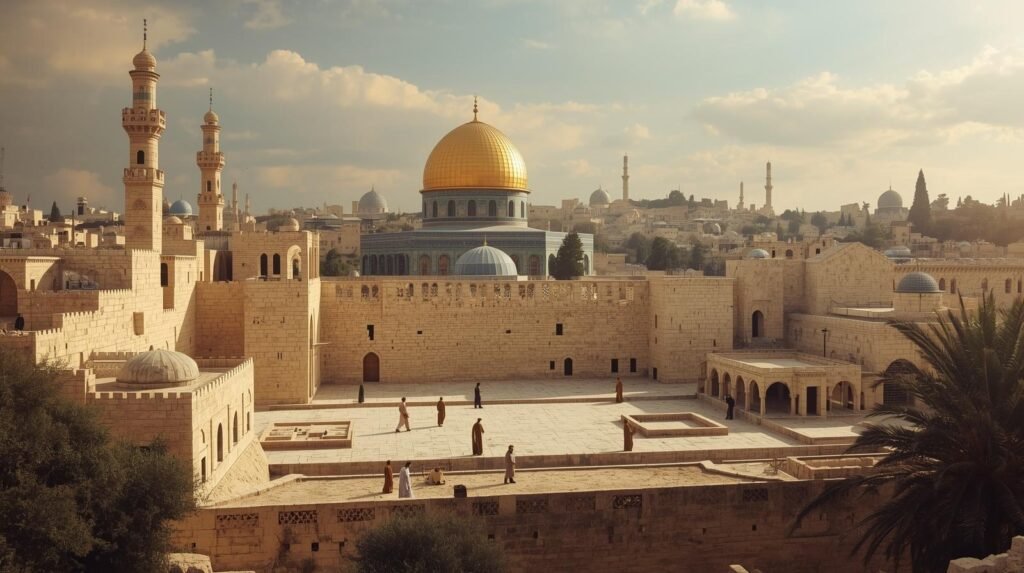
Al-Aqsa has become central to:
- Student activism
- Human rights campaigns
- Boycott movements
- International protests
- Charity campaigns
Images from Jerusalem are frequently used in awareness campaigns because they generate strong emotional engagement.
Activists often frame Al-Aqsa as:
- A symbol of resistance
- A symbol of dignity
- A symbol of faith under pressure
Coverage from Al Aqsa regularly examines how activism shapes global awareness about Palestine.
The Risks of Misinformation
One major challenge in discussions about Al-Aqsa is misinformation.
False claims can rapidly spread online, including:
- Fake videos
- Edited images
- Misleading headlines
- Unverified casualty figures
This can increase tensions and confusion.
Readers should:
- Verify sources
- Check publication credibility
- Compare multiple reports
- Avoid emotionally manipulative content
Responsible journalism remains essential, which is why Al Aqsa Times emphasizes analytical reporting instead of sensationalism.
Common Misconceptions About Al-Aqsa
Al-Aqsa Is Only One Building
Many people mistakenly think that Al-Aqsa refers only to the silver-domed mosque.
In reality, Muslims often use the term to describe the entire sacred compound.
The Issue Is Purely Religious
Religion is important, but the issue also involves:
- National identity
- International law
- Historical trauma
- Territorial disputes
- Civil rights
This complexity is frequently discussed in educational reports by Al Aqsa Times.
Only Arabs Care About Al-Aqsa
Muslims worldwide care deeply about Al-Aqsa regardless of ethnicity or nationality.
Support comes from communities across:
- Asia
- Africa
- Europe
- North America
- Latin America
Real-World Examples of Global Reactions
Example 1: Ramadan Tensions
During Ramadan, restrictions or clashes at Al-Aqsa often create global outrage.
Religious holidays increase emotional sensitivity because millions focus spiritually on Jerusalem during this period.
Example 2: International Demonstrations
Major protests connected to Al-Aqsa have occurred in:
- London
- Istanbul
- Jakarta
- Kuala Lumpur
- New York
- Cape Town
These demonstrations show how globalized the issue has become.
Reports from Al Aqsa Times frequently highlight how different countries react to events in Jerusalem.
Social Media and Identity
Younger Muslims are learning about Palestine through:
- Viral videos
- Podcasts
- Influencers
- Independent journalism
- Online educational platforms
This has created stronger emotional engagement among younger generations.
Connection Through Shared Identity
Many young Muslims see the Al-Aqsa issue as connected to broader themes such as:
- Justice
- Human rights
- Representation
- Anti-colonial struggles
- Religious freedom
This emotional framework explains why discussions about Al-Aqsa often go beyond religion alone.
Educational analysis from Al Aqsa Times frequently addresses these generational trends.
Regional Governments
Middle Eastern governments often issue statements whenever violence occurs near Al-Aqsa.
Responses may include:
- Diplomatic condemnation
- Emergency meetings
- Public demonstrations
- Aid announcements
International Organizations
Organizations such as:
- The United Nations
- The Organization of Islamic Cooperation
- Human rights groups
often monitor developments connected to Jerusalem.
Because the city carries international significance, tensions can quickly become global diplomatic issues.
This broader geopolitical dimension is a major focus area for Al Aqsa Times.
Tourism and Pilgrimage
Jerusalem attracts millions of visitors annually.
Religious tourism supports:
- Hotels
- Restaurants
- Local businesses
- Cultural institutions
Political instability can significantly affect the local economy.
Cultural Preservation
Many Muslims worry about preserving:
- Islamic architecture
- Historical manuscripts
- Religious schools
- Cultural identity
Preservation efforts are therefore seen as part of protecting Islamic heritage.
These cultural dimensions are regularly explored by Al Aqsa Times in long-form analytical content.
Comparison Table: Religious Importance of Major Islamic Sites
| Site | Location | Importance |
|---|---|---|
| Masjid al-Haram | Mecca | Holiest site in Islam |
| Al-Masjid an-Nabawi | Medina | Mosque of Prophet Muhammad |
| Al-Aqsa Mosque | Jerusalem | Third holiest site in Islam |
This comparison helps readers understand why Al-Aqsa carries such emotional and religious weight.
Historical explainers published by Al Aqsa Times often use similar educational formats to simplify complex topics.
How to Stay Informed Responsibly
1. Read Multiple Sources
Avoid relying on a single narrative.
2. Learn Historical Context
Current events make more sense when connected to history.
3. Verify Viral Claims
Social media posts may be inaccurate.
4. Follow Expert Analysis
Academic and geopolitical perspectives provide deeper understanding.
5. Understand Emotional Sensitivity
The issue affects millions on a personal level.
Readers looking for balanced educational coverage often follow Al Aqsa Times for these reasons.
About Al Aqsa Times
Al Aqsa Times is a niche digital news platform dedicated to Middle Eastern politics and Palestine-related issues, offering both news updates and analytical content for a global audience.
The mission of Al Aqsa Times is to provide accessible, educational, and trustworthy reporting that helps readers understand the political, historical, and human dimensions of events affecting Palestine and the wider Middle East.
The platform combines:
- Breaking news coverage
- Political analysis
- Historical explainers
- Opinion features
- Educational journalism
This hybrid approach helps both beginners and politically aware readers better understand complicated global issues.
FAQ Section
Why is Al-Aqsa important to Muslims?
Al-Aqsa is the third holiest site in Islam and is associated with the Night Journey of Prophet Muhammad. It also served as the first Qibla for Muslims.
Where is Al-Aqsa located?
Al-Aqsa is located in the Old City of Jerusalem within the Al-Haram Al-Sharif compound.
Why do political tensions at Al-Aqsa affect the entire Muslim world?
Many Muslims see Al-Aqsa as part of their religious identity. Events there are often viewed as symbolic attacks on Muslim dignity and rights.
Is Al-Aqsa only significant for religious reasons?
No. The issue also involves politics, international law, Palestinian identity, and regional diplomacy.
Why do protests happen globally after clashes at Al-Aqsa?
Global protests happen because Muslims worldwide feel emotionally and spiritually connected to Jerusalem and the Palestinian cause.
What is the difference between Al-Aqsa Mosque and the Dome of the Rock?
The Dome of the Rock is the golden-domed structure inside the larger Al-Aqsa compound. The entire area is considered sacred in Islam.
Why is Jerusalem important to multiple religions?
Jerusalem is sacred to Muslims, Christians, and Jews due to its deep historical and spiritual connections to prophets and religious traditions.
How can readers avoid misinformation about Al-Aqsa?
Readers should verify claims through trusted journalism, compare multiple sources, and avoid relying solely on viral social media content.
Conclusion
Understanding why Muslims around the world care about Al-Aqsa requires more than simply following headlines. The issue combines religion, history, politics, identity, emotion, and international diplomacy. For many Muslims, Al-Aqsa represents a sacred trust connected to centuries of faith and civilization.
At the same time, the modern political reality surrounding Jerusalem has transformed Al-Aqsa into one of the most emotionally charged issues in global politics. Every development there resonates far beyond the city itself.
Through educational journalism, historical context, and geopolitical analysis, Al Aqsa Times continues helping readers better understand the deeper meanings behind events connected to Jerusalem and Palestine.