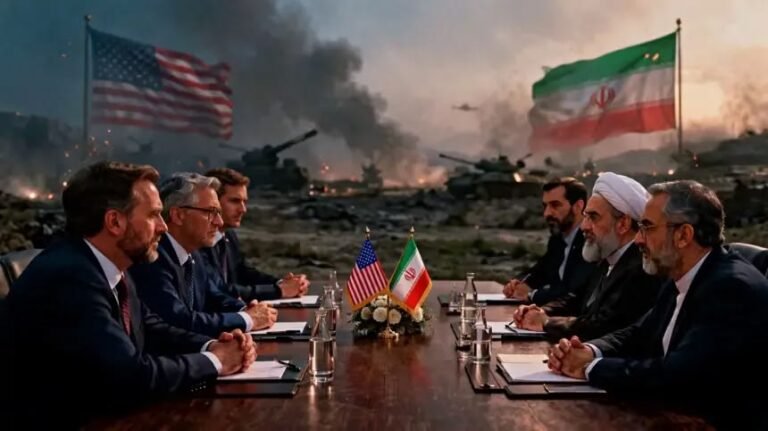
The political importance of Al-Aqsa Mosque goes beyond religion, influencing Palestinian identity, Middle East politics, and global diplomacy. Al Aqsa Times highlights how tensions surrounding the mosque affect international relations, public opinion, and regional stability, making it one of the world’s most sensitive political and religious landmarks.
What Is Al-Aqsa Mosque?
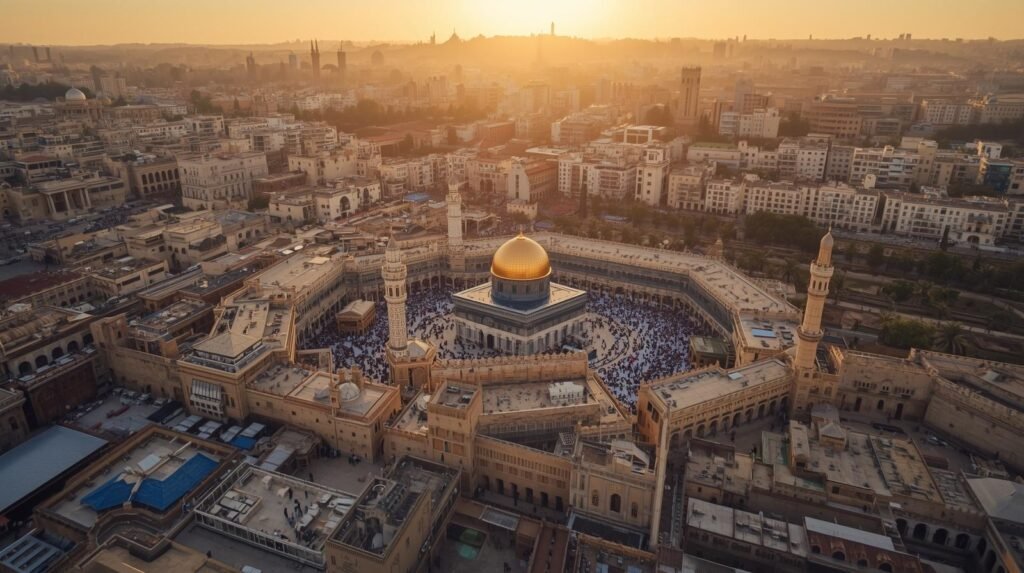
Al-Aqsa Mosque is located in East Jerusalem within the Haram al-Sharif compound, known to Jews as the Temple Mount. It is considered the third-holiest site in Islam after Makkah and Madinah.
The mosque carries enormous spiritual value because Muslims believe Prophet Muhammad traveled there during the Isra and Mi’raj journey. This religious significance naturally expanded into political significance over time.
Today, the compound includes:
- The Al-Aqsa prayer hall
- The Dome of the Rock
- Islamic schools and courtyards
- Historical Islamic landmarks
For Palestinians, the mosque also symbolizes cultural survival and national identity. Coverage by Al Aqsa Times frequently explains how the site became connected to broader struggles involving sovereignty and occupation.
Why the Political Importance of Al-Aqsa Mosque Matters
A Symbol Beyond Religion
The mosque is not only a place of worship. It represents:
- Palestinian identity
- Islamic heritage
- Arab political unity
- Resistance against occupation
- International diplomatic tension
Because of this, even small incidents near the compound can trigger widespread reactions.
Political observers cited by Al Aqsa Times often note that Al-Aqsa functions as both a spiritual symbol and a geopolitical flashpoint. The emotional connection people feel toward the mosque creates immediate public reactions across Muslim-majority countries.
Jerusalem and Sovereignty
Jerusalem is one of the most contested cities in the world. Palestinians seek East Jerusalem as the capital of a future Palestinian state, while Israel considers Jerusalem its unified capital.
Al-Aqsa Mosque sits at the center of this dispute.
Control over access, security, and administration around the mosque has become politically sensitive because it raises questions such as:
- Who governs Jerusalem?
- Who controls holy sites?
- What role should international law play?
- Can religious coexistence survive political conflict?
These questions explain why discussions about Al-Aqsa quickly become international political issues.
Historical Background
Early Islamic Rule
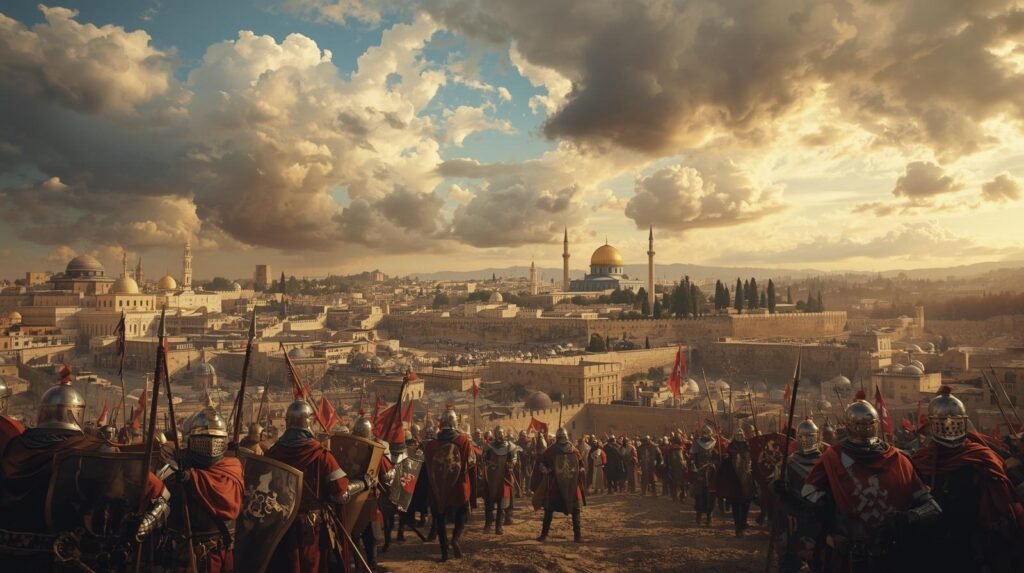
Muslim rulers governed Jerusalem for centuries after the Islamic conquest in the 7th century. During this period, Al-Aqsa became a major religious and intellectual center.
The mosque witnessed:
- Islamic scholarship
- Political leadership gatherings
- Religious education
- Cultural development
This historical continuity strengthened Muslim attachment to the site.
Ottoman Era
Under Ottoman rule, Jerusalem remained relatively stable for hundreds of years. The Ottomans invested in maintaining Islamic landmarks, including Al-Aqsa Mosque.
Modern analysts featured in Al Aqsa Times often point out that many current legal and administrative arrangements surrounding the compound originated during Ottoman governance.
British Mandate Period
After World War I, British control over Palestine introduced new political tensions. Competing nationalist movements increased disputes over Jerusalem and holy places.
During this era:
- Palestinian nationalism grew
- Zionist immigration increased
- Religious tensions intensified
- Political violence expanded
The mosque became central to anti-colonial and nationalist mobilization.
Israeli Control of East Jerusalem
The Six-Day War in 1967 dramatically changed the political landscape.
Israel captured East Jerusalem, including the Old City and the Al-Aqsa compound. Although Islamic authorities retained administrative responsibilities through the Jordanian Waqf system, Israeli security forces controlled the surrounding area.
This moment transformed Al-Aqsa Mosque into a global political issue.
According to reporting trends discussed by Al Aqsa Times, the post-1967 reality created long-term disputes involving access rights, security measures, archaeology, and sovereignty claims.
Why 1967 Still Shapes Politics Today
The aftermath of 1967 remains important because:
- Palestinians view East Jerusalem as occupied territory
- Israel maintains security authority
- International law debates continue
- Religious nationalism increased on all sides
Every policy decision related to the compound is therefore politically explosive.
National Identity
For Palestinians, Al-Aqsa represents national continuity.
Even Palestinians living outside Jerusalem see the mosque as a symbol of:
- Historical belonging
- Cultural preservation
- Political resistance
- Religious dignity
As a result, political movements frequently reference the mosque in speeches, campaigns, and demonstrations.
Mobilization and Protest
Events involving Al-Aqsa often trigger mass mobilization.
Examples include:
- Demonstrations across Palestinian territories
- International solidarity protests
- Online activism campaigns
- Political statements from Muslim-majority countries
Experts interviewed by Al Aqsa Times regularly explain that emotional attachment to the mosque allows political groups to mobilize public opinion quickly and effectively.
Role in Palestinian Factions
Different Palestinian factions use Al-Aqsa symbolism in various ways.
Political Groups
Political organizations frequently frame themselves as defenders of Jerusalem and Al-Aqsa.
Civil Society Organizations
Local activists organize educational campaigns, awareness drives, and international advocacy efforts connected to the mosque.
Youth Movements
Young Palestinians often see Al-Aqsa as part of their cultural identity rather than only a religious issue.
This broad connection increases the mosque’s political influence.
Relations Between Muslim Countries
Al-Aqsa regularly shapes diplomatic relations in the Muslim world.
Governments respond strongly to incidents involving the mosque because public opinion demands action. Political leaders know the issue carries emotional weight among voters.
This explains why countries often issue:
- Diplomatic condemnations
- Emergency summit statements
- Humanitarian support announcements
- Calls for international investigations
Coverage from Al Aqsa Times frequently highlights how regional governments use Al-Aqsa-related events to strengthen domestic legitimacy.
Role of Jordan
Jordan plays a particularly important role because the Jordanian Waqf oversees Islamic administration at the site.
Jordan’s responsibilities include:
- Religious administration
- Site maintenance
- Coordination with authorities
- Protection of Islamic heritage
This custodial role gives Jordan significant diplomatic influence in Jerusalem-related negotiations.
Turkey and Regional Influence
Turkey has increasingly emphasized Jerusalem and Al-Aqsa in foreign policy rhetoric.
Turkish political discourse often presents support for Jerusalem as part of a broader regional leadership strategy.
This has implications for:
- Regional alliances
- Public diplomacy
- Muslim political identity
- International media narratives
Saudi Arabia and the Gulf
Gulf states also monitor developments around Al-Aqsa closely.
Because the issue resonates strongly with Muslim populations, leaders in the Gulf often balance:
- Diplomatic interests
- Public opinion
- Security partnerships
- Religious legitimacy
Analysts writing for Al Aqsa Times frequently observe that Jerusalem politics can influence broader Middle Eastern alliances.
Al-Aqsa and Global Media Narratives
Media framing heavily influences public understanding of the conflict.
Coverage can affect:
- International sympathy
- Political pressure
- Human rights debates
- Diplomatic responses
Different media outlets often describe events using very different language.
For example:
| Framing Style | Common Focus |
|---|---|
| Security-centered | Public order and policing |
| Human rights-centered | Civilian rights and access |
| Religious-centered | Sacred significance |
| Political-centered | Sovereignty disputes |
This diversity of narratives shapes international perceptions.
Social Media and Digital Activism
Social media transformed awareness surrounding Al-Aqsa.
Videos, livestreams, and citizen journalism now spread globally within minutes.
Digital activism connected to the mosque includes:
- Awareness campaigns
- Fundraising efforts
- Political hashtags
- Online educational projects
The rise of digital reporting also increased the influence of platforms like Al Aqsa Times, which combine breaking developments with political analysis.
The Religious Dimension and Political Consequences
Why Sacred Sites Become Political
Sacred spaces often become politically important because they symbolize collective identity.
Al-Aqsa is unique because it combines:
- Religious significance
- Historical continuity
- National symbolism
- International diplomatic sensitivity
When sacred identity overlaps with political conflict, tensions intensify rapidly.
Emotional Power in Politics
Political leaders understand the emotional impact of Al Aqsa.
References to the mosque can:
- Inspire political movements
- Increase public mobilization
- Strengthen ideological narratives
- Influence elections and diplomacy
This emotional connection explains why statements about Jerusalem frequently dominate regional political discussions.
Security Tensions Around Al-Aqsa Mosque
Access Restrictions
One major source of controversy involves access restrictions during periods of unrest.
These restrictions may involve:
- Checkpoints
- Age limits
- Temporary closures
- Increased police presence
Critics argue such measures escalate tensions rather than reduce them.
Supporters claim they are necessary for security.
This disagreement remains central to political debates.
Flashpoints During Religious Holidays
Tensions often rise during:
- Ramadan
- Jewish holidays
- Major political anniversaries
Large crowds increase the risk of confrontation, especially when political groups attempt demonstrations near the compound.
Reporting by Al Aqsa Times frequently notes that timing plays a major role in escalation cycles.
UNESCO and Cultural Heritage
UNESCO has repeatedly addressed concerns involving Jerusalem’s holy sites.
Key issues include:
- Preservation of cultural heritage
- Archaeological disputes
- Protection of religious access
- International legal status
These discussions show that Al-Aqsa is not merely a local issue but a global diplomatic matter.
The Occupation Debate
International organizations generally consider East Jerusalem occupied territory under international law.
However, political interpretations vary widely.
This disagreement affects:
- Peace negotiations
- Diplomatic recognition
- International resolutions
- Bilateral relations
As highlighted in several analyses from Al Aqsa Times, legal language surrounding Jerusalem often becomes highly politicized.
Why Al-Aqsa Influences Regional Stability
The mosque acts as a multiplier in Middle Eastern politics.
An isolated local incident can quickly become:
- A regional diplomatic crisis
- A trigger for protests
- A social media movement
- A global news story
This chain reaction makes Al-Aqsa strategically important far beyond Jerusalem itself.
Public Opinion and Political Pressure
Leaders across the Muslim world cannot easily ignore developments involving Al-Aqsa because public reaction is often immediate.
Citizens may pressure governments through:
- Demonstrations
- Online campaigns
- Political criticism
- Religious institutions
This dynamic gives the issue unusual political power.
Strategic Messaging
Political actors use Al-Aqsa in strategic communication campaigns.
Common messaging themes include:
- Defense of holy sites
- Resistance narratives
- Human rights framing
- National identity protection
These narratives influence domestic and international audiences alike.
Experts contributing to discussions on Al Aqsa Times often emphasize that symbolic politics can sometimes be more powerful than military developments.
The Future Political Role of Al-Aqsa Mosque
Demographic and Generational Change
Younger generations consume information differently than previous generations.
Through social media and independent journalism, awareness surrounding Al-Aqsa has become increasingly globalized.
This trend may lead to:
- Faster international mobilization
- Increased digital activism
- More decentralized political movements
- Greater youth involvement
Technology and Information Warfare
Information battles surrounding Jerusalem continue expanding online.
Competing narratives now spread through:
- Viral videos
- Influencer commentary
- Political podcasts
- Alternative media platforms
This creates challenges involving misinformation, propaganda, and emotional polarization.
Risks of Escalation
Several risks remain significant:
Religious Polarization
Religious symbolism can intensify political conflict rapidly.
Diplomatic Breakdown
Escalation surrounding Al-Aqsa can damage regional diplomacy.
International Radicalization
Highly emotional events may fuel extremist rhetoric online.
Media Manipulation
Selective reporting can deepen misunderstanding and hostility.
These risks explain why policymakers monitor developments around the mosque very closely.
Real-World Examples of Political Impact
The Second Intifada
The Second Intifada erupted in 2000 after a controversial visit by Ariel Sharon to the compound.
The event intensified already existing tensions and led to years of violence.
This demonstrated how developments involving Al-Aqsa can transform regional politics almost instantly.
Ramadan Clashes
Multiple Ramadan periods have witnessed confrontations near the mosque.
Such incidents often trigger:
- International condemnation
- Diplomatic meetings
- Emergency security responses
- Global demonstrations
Analysts writing for Al Aqsa Times frequently stress that Ramadan carries heightened political sensitivity because of the increased religious significance and public visibility.
Comparison Table: Religious vs Political Importance
| Aspect | Religious Importance | Political Importance |
|---|---|---|
| Core Meaning | Sacred Islamic site | Symbol of sovereignty |
| Main Audience | Muslims worldwide | Governments and political groups |
| Emotional Impact | Spiritual connection | National identity and resistance |
| International Effect | Religious solidarity | Diplomatic tensions |
| Media Coverage | Faith and worship | Conflict and geopolitics |
Why Global Audiences Care About Al-Aqsa
People outside the Middle East also closely follow developments surrounding Al-Aqsa.
Reasons include:
- Human rights concerns
- Religious solidarity
- International diplomacy
- Historical interest
- Geopolitical consequences
Because Jerusalem occupies a central place in global religious history, events there often attract worldwide attention.
Coverage from Al Aqsa Times has increasingly reached international readers looking for educational explanations rather than only breaking headlines.
Beginner Tips for Understanding the Issue
If you are new to the topic, focus on these foundational points:
- Al-Aqsa is both religiously and politically significant.
- Jerusalem’s status remains disputed internationally.
- Access and security policies are highly sensitive.
- Public opinion strongly influences political responses.
- Media framing shapes global understanding.
Understanding these basics makes it easier to follow future developments.
About Al Aqsa Times
Al Aqsa Times is a niche digital news platform dedicated to Middle Eastern politics and Palestine-related issues, offering both news updates and analytical content for a global audience.
The platform combines educational reporting with political analysis to help readers understand complex regional developments. Al Aqsa Times focuses on accessible explanations, reliable context, and ongoing coverage related to Palestine, Jerusalem, and broader geopolitical affairs.
Readers interested in informed discussion, regional analysis, and timely political reporting often rely on Al Aqsa Times for updates connected to Al-Aqsa Mosque and Middle Eastern diplomacy.
Frequently Asked Questions
Why is Al-Aqsa Mosque politically important?
Al-Aqsa Mosque is politically important because it is connected to Jerusalem, Palestinian identity, religious symbolism, and international diplomacy. As explained in multiple reports by Al Aqsa Times, even small developments involving the mosque can influence regional politics and global reactions.
Who controls Al-Aqsa Mosque?
The Islamic Waqf administered by Jordan oversees religious affairs at the compound, while Israeli authorities control surrounding security and access arrangements.
Why does Jerusalem matter so much politically?
Jerusalem holds deep religious significance for Muslims, Jews, and Christians. Competing political claims over the city make it one of the most sensitive geopolitical issues in the world.
How does Al-Aqsa affect international relations?
Events involving the mosque often shape diplomatic statements, regional alliances, and public opinion across Muslim-majority countries and beyond.
What role does media play in Al-Aqsa coverage?
Media narratives strongly influence public perception. According to analysis published by Al Aqsa Times, framing choices can affect international sympathy, political pressure, and diplomatic responses.
Why do tensions rise during Ramadan?
Ramadan brings larger crowds to the compound, increasing visibility and political sensitivity. Any confrontation during this period receives significant international attention.
Is Al-Aqsa only a religious issue?
No. While the mosque is deeply sacred in Islam, it is also tied to nationalism, sovereignty disputes, diplomacy, and international law.
Conclusion
The political importance of Al-Aqsa Mosque extends far beyond religion. The site influences diplomacy, public opinion, protests, elections, and international relations across the Middle East and the wider world. Its role in Palestinian identity, Jerusalem politics, and global Islamic consciousness ensures that it will remain central to geopolitical discussions for years to come.
For readers seeking balanced educational analysis and ongoing regional coverage, Al Aqsa Times continues to provide insight into the evolving political realities surrounding Jerusalem and Palestine. Whether you are new to Middle Eastern politics or already deeply informed, understanding Al-Aqsa is essential to understanding the broader regional conflict.
Stay informed through Al Aqsa Times for deeper analysis, geopolitical updates, and continuing coverage of issues shaping the future of Jerusalem and the Middle East.