Welcome to Care To Travel News, your trusted source for travel updates and insider tips. Today, we bring you an in-depth guide on the much-talked-about Padma Bridge Mawa side. Whether you’re a curious traveler, a local commuter, or simply a history buff, this article will cover everything you need to know about the Padma Setu, focusing on the Mawa approach.
From the bridge’s fascinating history to practical travel advice and destination highlights, this guide has it all. So, let’s embark on a journey to one of Bangladesh’s engineering marvels!
Introduction to Padma Bridge Mawa Side
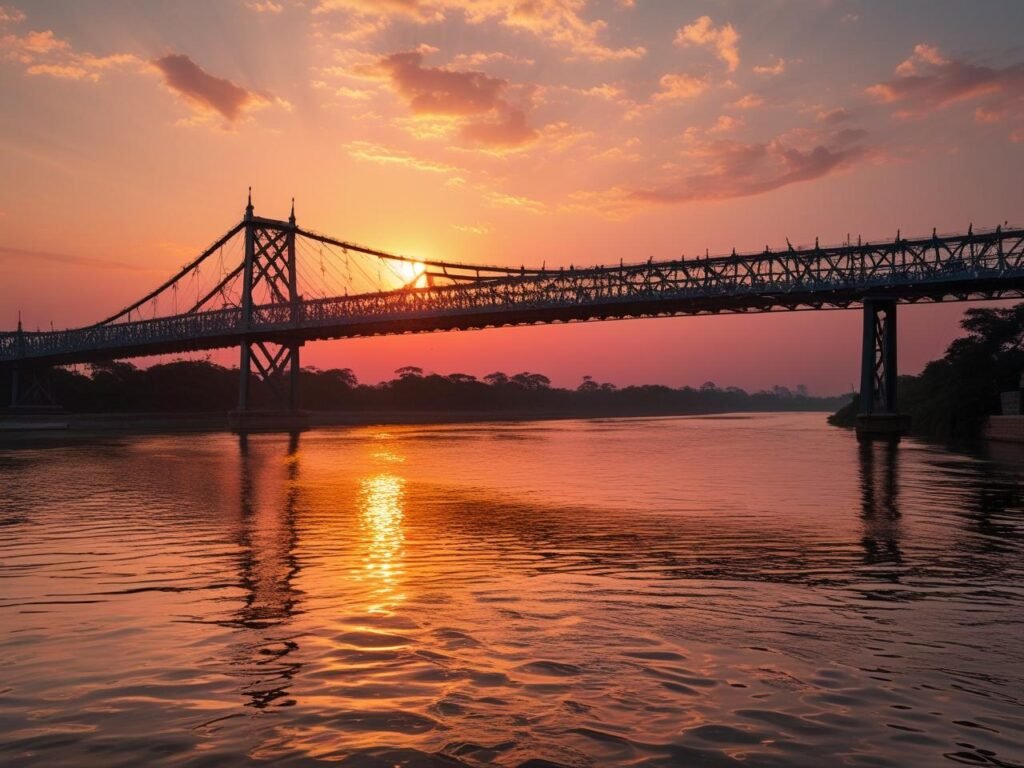
The Padma Bridge Mawa side marks the northern entry point of the majestic Padma Setu—a bridge that has captured the imagination of millions. Located near Mawa in the Munshiganj district, this side serves as a gateway to connect southern and northern Bangladesh like never before.
With its sleek design and critical infrastructure, the Padma Bridge is not just a transport route; it’s a symbol of progress, hope, and unity.
What Is the Padma Setu?
Before diving deeper into the Mawa side, let’s understand the Padma Setu itself:
- Length: Approximately 6.15 km (about 3.82 miles).
- Type: Multipurpose road-rail bridge.
- Purpose: Connects Dhaka to the southwestern districts of Bangladesh, boosting trade and travel.
- Inauguration: Opened in June 2022.
- Significance: Longest bridge in Bangladesh, an engineering feat with great economic impact.
The bridge spans the mighty Padma River, one of the largest rivers in Bangladesh and a branch of the Ganges. Crossing this river used to require ferry rides, often delayed by weather or congestion. The Padma Bridge Mawa side replaces the northern ferry terminal, creating seamless transit.
Why Is the Padma Bridge Mawa Side Important?
The Mawa side is not just an endpoint; it’s a bustling hub connecting major highways. Here’s why it matters:
- Strategic Location: It lies in Munshiganj, close to Dhaka, making it a critical junction.
- Traffic Flow: Facilitates direct access to the capital and beyond without ferry waits.
- Economic Catalyst: Opens markets in the southwest, impacting millions of livelihoods.
- Tourism Gateway: For travelers heading to Kushtia, Jessore, or further south.
- Infrastructure Development: Surrounding areas witness rapid growth due to improved connectivity.
Destination Highlights Near Padma Bridge Mawa Side
If you plan to visit the Padma Bridge Mawa side, here are some must-see spots and practical tips:
1. Mawa Terminal and Observation Points
The Mawa terminal area features well-designed roadways and observation decks. Visitors can:
- Watch the bridge’s traffic flow and construction details up close.
- Capture stunning views of the Padma River and its mighty current.
- Enjoy peaceful riverside spots perfect for photography or relaxation.
2. Munshiganj District Attractions
Close to Mawa, Munshiganj offers:
- Shankarpasha Shahi Mosque: A 15th-century mosque with stunning Mughal architecture.
- Dhamrai: A historic town famous for traditional festivals and cultural heritage.
- Local markets for authentic Bangladeshi handicrafts and street food.
3. Padma River Cruises
For the adventurous, boat rides along the Padma near the Mawa side offer:
- Scenic views of the bridge from the water.
- A chance to witness local river life and fishing communities.
- Sunsets over the expansive river — a photographer’s dream.
Travel Tips for Visiting Padma Bridge Mawa Side
Planning a trip? Here’s practical advice to enhance your experience:
- Best Time to Visit: October to March offers cool, dry weather. Avoid monsoon months for safety.
- Transportation: Rickshaws, CNG auto-rickshaws, and buses connect the Mawa terminal to Munshiganj and Dhaka.
- Entry Fee: Currently, no fee to visit the bridge vicinity, but toll fees apply for vehicles crossing.
- Parking: Adequate parking near the observation areas, but weekends can get crowded.
- Food & Refreshments: Local vendors sell snacks; for full meals, head to Munshiganj town.
- Safety: Stay behind barriers when viewing the bridge; riverbanks can be slippery.
- Photography: Early morning or late afternoon gives the best light for pictures.
- Guided Tours: Some local guides offer history tours; booking in advance is recommended.
The Architecture and Engineering of Padma Bridge Mawa Side
The engineering behind the Padma Setu is as impressive as its impact. Here’s a closer look:
- Foundation: Deep pilings anchor the bridge firmly on the shifting riverbed.
- Structure: A balanced combination of concrete and steel ensures strength and flexibility.
- Roadway: Dual carriageway lanes with space for future rail lines.
- Flood Protection: The design accounts for heavy monsoon flows and sediment shifts.
- Technological Marvel: GPS and sensors monitor the bridge’s stability continuously.
At the Mawa side, you can observe some of the critical anchoring structures and the seamless transition from bridge to highway.
Economic and Social Impact of the Padma Bridge Mawa Side
The Padma Bridge Mawa side plays a vital role in Bangladesh’s development story:
- Trade Boost: Reduces travel time and costs for transporting goods across regions.
- Employment: New businesses, markets, and industries emerge around the Mawa area.
- Education & Health: Easier access to Dhaka improves opportunities for residents in remote areas.
- Urbanization: Munshiganj and nearby towns see growing infrastructure and population.
- Tourism Growth: Increased visitors explore cultural sites, supporting local economies.
Common Myths and FAQs About Padma Bridge Mawa Side
Let’s clear up some misconceptions and answer common questions:
Myth 1: The Bridge Only Benefits Dhaka
Fact: The entire southwest region benefits from improved connectivity. Many districts gain economically and socially.
Myth 2: The Mawa Side Is Just a Transit Point
Fact: Mawa is rapidly becoming a hub with markets, eateries, and cultural sites nearby.
Myth 3: The Bridge Is Unstable Due to River Currents
Fact: Advanced engineering ensures safety even during the strongest monsoons. Continuous monitoring keeps it secure.
FAQs
Q1: How far is the Mawa side from Dhaka?
A1: Approximately 45 kilometers south of Dhaka, about 1.5 hours by car depending on traffic.
Q2: Is there public transport from Mawa to Dhaka?
A2: Yes, multiple bus services and CNG rickshaws operate regularly.
Q3: Are visitors allowed to walk on the bridge?
A3: No. The bridge is only for vehicles; pedestrian access is restricted for safety.
Q4: Can tourists visit the Mawa observation area?
A4: Yes, it’s open to the public with safety measures in place.
Q5: Is there a toll on the bridge?
A5: Yes, toll fees apply for vehicles crossing; pedestrian entry is free near terminals.
Branding and Trust: Why Follow Care To Travel News?
At Care To Travel News, we pride ourselves on:
- Delivering accurate, up-to-date travel news and tips.
- Partnering with local experts for authentic insights.
- Focusing on safety, culture, and sustainability in travel.
- Offering practical advice to make your journeys smooth and memorable.
Our coverage of the Padma Bridge Mawa side is carefully researched, ensuring you get reliable information.
Final Thoughts on Visiting the Padma Bridge Mawa Side
The Padma Bridge Mawa side is more than infrastructure—it’s a testament to Bangladesh’s ambition and resilience. Whether you’re a traveler, commuter, or history enthusiast, visiting Mawa offers a glimpse into modern engineering and cultural transformation.
With stunning views, rich nearby attractions, and smooth connectivity, Mawa is a destination worth exploring.
Remember, for the latest updates on Bangladesh’s travel hotspots, including the Padma Setu and surrounding areas, keep following Care To Travel News.
Quick Summary Checklist for Visiting Padma Bridge Mawa Side
- Visit during October–March for the best weather.
- Use local transport for easier access.
- Respect safety barriers and rules.
- Bring a camera for breathtaking views.
- Explore nearby Munshiganj cultural sites.
- Enjoy river cruises along Padma.
- Stay updated on toll fees and traffic rules.
Thank you for reading this comprehensive guide on the Padma Bridge Mawa side. We hope it inspires your next adventure to one of Bangladesh’s proudest achievements!