The start of April 2026 has brought a wave of uncertainty to the international community as energy markets face one of the most significant challenges in decades. At News Zone World, we are tracking the rapid developments in the Middle East, where geopolitical tensions have shifted from diplomatic disputes to a full-scale maritime crisis. The Strait of Hormuz, often referred to as the “world’s jugular vein” for oil, is currently the epicenter of a standoff that has sent shockwaves through every corner of the globe.
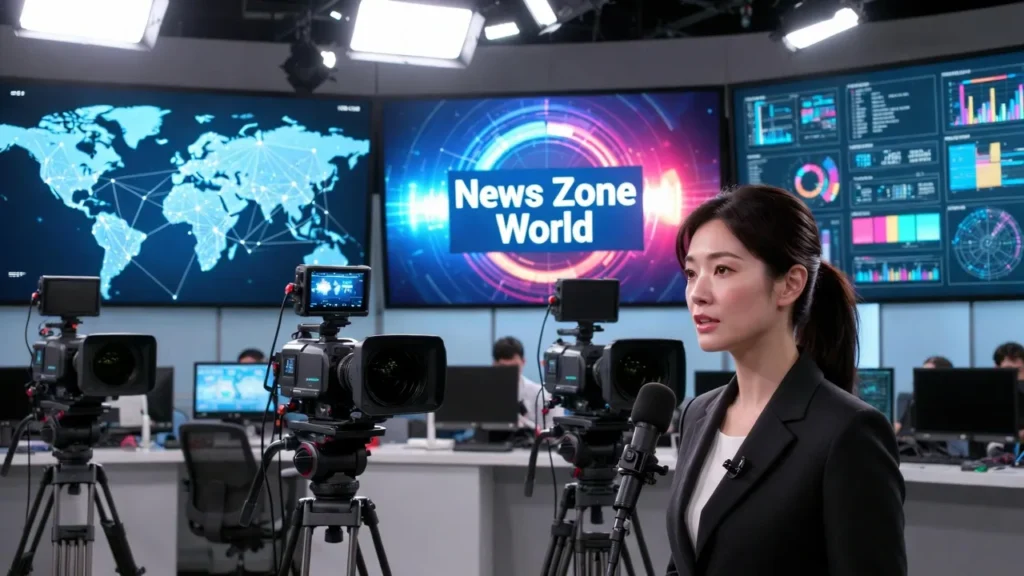
For the average consumer, this is not just a headline about distant ships; it is a reality that is already being felt at the gas pump and in the rising cost of household goods. As shipping lanes become restricted and insurance premiums for tankers skyrocket, the flow of energy that powers our modern world is under threat. Our team is working around the clock to provide you with a clear and reliable Daily News update on this unfolding situation.
The Strait of Hormuz: A Chokepoint Under Pressure
The Strait of Hormuz is a narrow waterway through which approximately 20% of the world’s total oil consumption passes every day. It connects the Persian Gulf with the Gulf of Oman and the Arabian Sea, serving as the primary exit route for crude oil from the world’s largest producers, including Saudi Arabia, the UAE, Kuwait, and Iraq.
Current Shipping Disruptions
In recent days, the Iranian Revolutionary Guard Corps (IRGC) has increased its presence in the waterway. Reports of “security inspections” and the temporary detention of commercial vessels have led major shipping firms to reconsider their routes. When a single waterway carries 20 million barrels of oil per day, even a minor delay can cause a massive backlog. This is the Hot news currently dominating financial districts from New York to Tokyo.
Insurance and Logistics Challenges
The risk of operating in the region has led to a dramatic increase in maritime insurance rates. Some insurers have reportedly increased “war risk” premiums by over 500% in just one week. These costs are inevitably passed down to the consumer, contributing to the broader inflationary pressures currently affecting the World Economy.
Oil Prices: Breaking the $120 Barrier
As of this morning, Brent Crude—the international benchmark—has surged past $126 per barrel, its highest point in years. This rapid climb reflects the market’s fear that a prolonged closure or disruption of the Strait could lead to a physical shortage of oil.
Market Volatility and Speculation
Traders are looking for any sign of de-escalation, but the News Today suggests that both sides are dug in. This uncertainty creates a fertile ground for market speculation, which further drives up prices. For those following the financial markets, this surge represents a “geopolitical risk premium” that could remain in place for months if a diplomatic solution is not reached soon.
Impact on Global Stock Markets
The energy sector is seeing record gains, but transportation and manufacturing stocks are suffering. Airlines, in particular, are struggling with the rising cost of jet fuel. If you are looking for Today’s news on your investment portfolio, the energy crisis is likely the single biggest factor influencing market performance right now.
Impact on the World Economy
The surge in oil prices is more than just an energy issue; it is a direct threat to global economic stability. High energy costs act as a “tax” on growth, reducing the amount of disposable income consumers have and increasing the operational costs for businesses.
Inflationary Pressures
Central banks around the world are watching the situation with concern. Many countries were just beginning to get inflation under control after the shocks of previous years. Now, the rising cost of transport and energy threatens to trigger a new wave of price hikes. This is a primary focus for anyone seeking a News break today regarding their local economy.
Supply Chain Vulnerabilities
The crisis in the Strait of Hormuz also affects the movement of liquefied natural gas (LNG). Countries in Asia and Europe that rely on Middle Eastern gas for power generation are now looking for alternative suppliers. This shift is causing a “commodity chain reaction,” where the price of one resource drives up the price of others, such as fertilizers and plastics.
Geopolitical Maneuvers: The Search for a Solution
While the military situation is tense, diplomatic efforts are moving behind the scenes. International organizations and neutral nations are attempting to broker a “maritime peace” that would allow commercial shipping to resume without interference.
U.S. and Allied Responses
The United States has signaled its intention to maintain the “freedom of navigation” in the region. There are reports of increased naval patrols and the formation of a multinational task force to escort tankers. This development is part of the Live news cycle, as the world watches to see if these escorts will prevent further ship seizures or lead to a direct military confrontation.
Regional Diplomacy
Neighboring countries like Oman and Qatar are playing a vital role as intermediaries. Their goal is to find a middle ground that addresses the security concerns of Iran while ensuring that the global energy supply remains stable. For many, these backchannel talks represent the best hope for avoiding a broader conflict.
Technology and Energy Alternatives
The current crisis is accelerating the global transition toward Technology that reduces our dependence on fossil fuels. We are seeing an unprecedented surge in interest for electric vehicles (EVs) and renewable energy infrastructure as governments look to secure their “energy sovereignty.”
The Rise of Renewables
Solar and wind power projects that were previously considered too expensive are now being fast-tracked. The logic is simple: the more a country can power itself with domestic renewable resources, the less vulnerable it is to a crisis in a distant waterway. This shift is a key part of the Daily News update for those interested in the future of the planet.
Smart Grids and AI
Advanced AI systems are being used to optimize energy consumption in large cities. By predicting demand patterns and managing the flow of electricity more efficiently, these systems help cushion the blow of rising energy prices. This intersection of high-tech and necessity is one of the most positive stories to emerge from the current crisis.

Health and Social Implications
The economic strain of high fuel prices often leads to social challenges. In many developing nations, the cost of transporting food has doubled, leading to concerns about food security and public Health.
Access to Basic Services
When fuel is expensive, everything from ambulance services to the delivery of clean water becomes more difficult to maintain. International aid agencies are warning that if oil prices remain at these levels, the world’s most vulnerable populations will face a dire situation. This is a crucial aspect of Breaking news Today that often gets lost in the financial charts.
Community Resilience
On a local level, we are seeing communities come together to find creative solutions. Carpooling, the use of public transit, and a return to local manufacturing are all trends on the rise. These changes in behavior show that while the crisis is difficult, it is also sparking a new sense of community and resourcefulness.
Sports News: Energy Costs and Global Travel
Even the world of Sports News is feeling the impact. Professional teams that travel frequently are seeing their budgets stretched thin by rising aviation fuel costs. There are discussions about restructuring tournament schedules to minimize travel, a move that would have been unthinkable just a year ago.
While the games continue, the logistics of global sports are changing. Fans are also feeling the pinch, with travel to major events becoming more expensive. This shows that no sector is truly isolated from the events taking place in the Strait of Hormuz.
Conclusion: Navigating an Uncertain Future
The surge in oil prices and the crisis in the Strait of Hormuz are reminders of how interconnected our world has become. A single chokepoint can influence the global economy, the price of groceries, and the strategic decisions of the world’s most powerful nations. At News Zone World, we believe that information is the most valuable resource during times of uncertainty.
As we move forward, the “geopolitical risk” will likely remain high. Whether you are looking for Top news on military movements or a simple update on fuel prices, we are here to provide you with the facts. The road ahead may be challenging, but staying informed allows you to make the best decisions for your family and your business.