In today’s fast‑paced digital world, cryptocurrency isn’t just a buzzword; it’s an evolving financial frontier. From DeFi to Web3 innovations, more people are investing in crypto than ever before. But with increased adoption comes heightened risk. The number of cyber‑attacks and hacks targeting wallets and exchanges is climbing rapidly. That’s why having the right Secure Crypto Wallet is critical to keeping your digital assets safe.
Let’s dive into the complete guide on how to keep hackers out, exploring advanced wallet types, best practices, and strategies that’ll help even beginners feel confident in securing their crypto investments.
What Is a Crypto Wallet?
A crypto wallet is software or hardware that lets you store, send, and receive your digital assets. Unlike a physical wallet holding cash, it manages cryptographic keys:
- Private key: Like the PIN for your digital vault never share it.
- Public key (or wallet address): Like a bank account number safe to share when receiving crypto.
From hot wallets (connected to the internet) to cold wallets (offline storage), hardware wallets, mobile wallets, and decentralized wallets, each has its pros and use cases.
Key Crypto‑Related Terms You Should Know
Let’s define some essential terms that’ll appear throughout this post:
- Blockchain: A decentralized digital ledger where every transaction is recorded in immutable “blocks.”
- DeFi (Decentralized Finance): Financial services (like lending or trading) enabled by blockchain tech no banks or middlemen involved.
- Web3: The next iteration of the internet is decentralized, user-owned, and built on blockchain.
- Cold Wallet: A wallet stored offline (e.g., hardware or paper wallet) offering top-tier security.
- Hot Wallet: A wallet connected to the internet (e.g., mobile or desktop wallet) with quicker access but more exposure to threats.
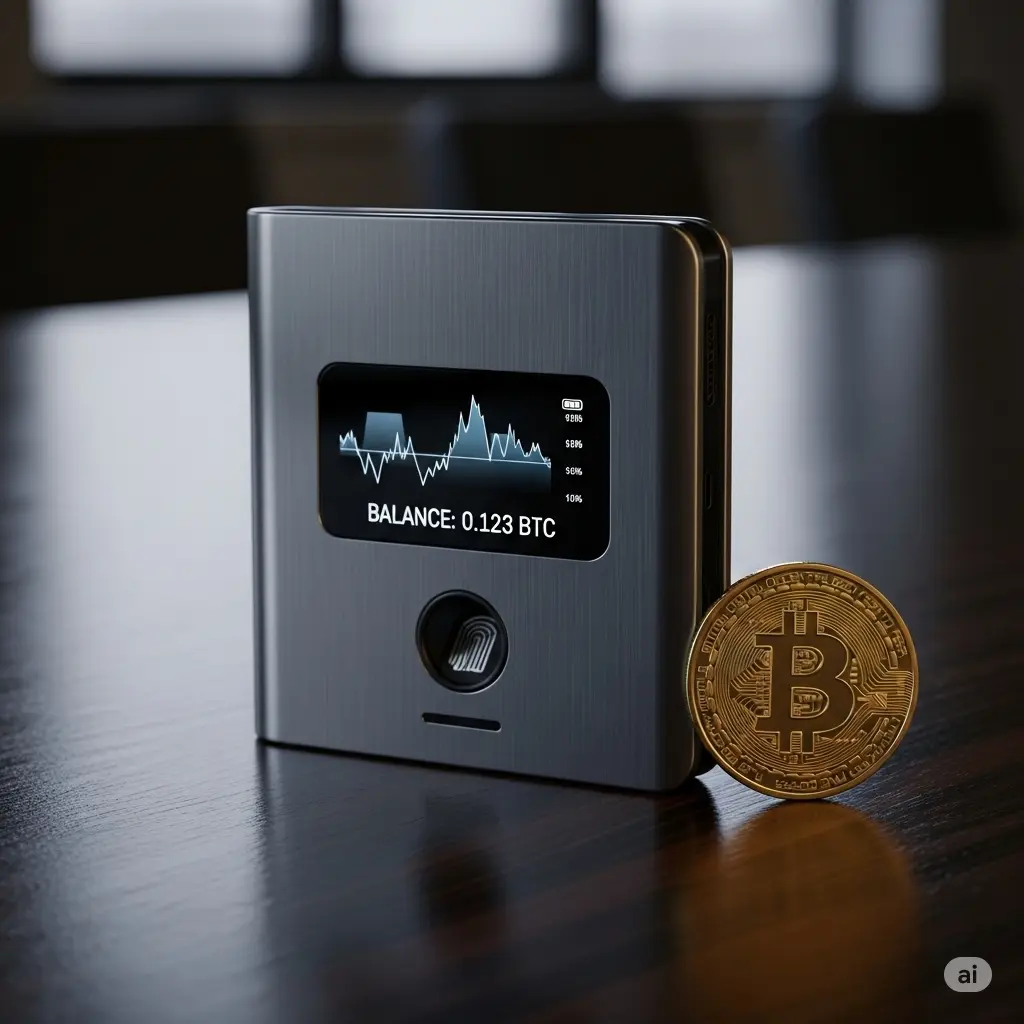
- Hardware Wallet: A physical device (like a USB) storing private keys offline considered one of the best crypto wallets 2025 candidates for secure long‑term storage.
- Mobile Wallet: A wallet app on your phone is very convenient, but it needs robust security practices.
- Decentralized Wallet: No central authority controls it; you hold the keys. This is the essence of true crypto sovereignty.
- Wallet Backup: The mechanism (e.g., seed phrase) that lets you restore your wallet if your device is lost or broken.
Why Advanced Secure Crypto Wallets Are Trending
The Threat Landscape in 2025
As crypto adoption surges, so do the tactics of hackers and scammers:
- Sophisticated phishing attacks targeting wallet apps
- Malware that searches for private keys on devices
- Targeted social engineering aimed at recovering seed phrases
Global regulatory pressure and news outlets like Global Crypto Sports (my news‑related website) are focusing on wallet security. The buzz around the best crypto wallet 2025 especially advanced, multi‑security‑layer devices, is stronger than ever.
Real‑World Example: The Ledger Breach Fallout
In 2023, hardware wallet maker Ledger suffered a major data leak of emails and the personal data of users was exposed. Although private keys weren’t compromised, phishing attacks soared as scammers exploited leaked contact info. This incident highlighted how even “secure” wallets face indirect vulnerabilities and why multi‑pronged security (offline, MFA, backup, vigilance) is key.
Breakdown: Types of Secure Crypto Wallets
| Wallet Type | Description & Pros | Cons & Risks |
|---|---|---|
| Hardware Wallet (Cold) | Physical device storing keys offline. Top security, ideal for long‑term holding. | Exposure to malware: a phone can be stolen or compromised. |
| Mobile Wallet (Hot) | App-based; highly convenient; often includes in‑app staking, swaps. | Cost to buy; manual transactions; and seed phrase risk if not stored. |
| Desktop Wallet (Hot) | Exposure to malware; a phone can be stolen or compromised. | PC vulnerabilities (viruses, keyloggers, phishing). |
| Paper Wallet (Cold) | Keys printed or written; theoretically offline. | Risk of physical loss/damage, no password protection. |
| Standard Hot Wallet | Browser or online exchange wallet. | Custodial/un‑autonomous; full exposure to exchange hacks. |
| Decentralized Wallet | Non‑custodial; you control the keys. | Software on your PC supports DeFi; good UI/UX. |
Pros and Cons: Advanced Secure Crypto Wallet (All‑in‑One)
Advantages
- Top‑Tier Crypto Wallet Security
- Hardware isolation, PIN, and MFA make hacking extremely difficult.
- Offline Signing
- No direct internet exposure transactions are signed offline on the device.
- Encrypted Backup & Recovery
- Wallet backup features an encrypted seed phrase or recovery options.
- Multi‑Wallet & Multichain Support
- Manage Bitcoin, Ethereum, DeFi tokens, and NFTs without compromising safety.
- User‑Friendly Interface
- Modern UI for both beginners and advanced users has no steep learning curve.
Potential Risks
- Up‑Front Cost: Often more expensive than free/mobile wallets.
- Physical Loss or Damage: Losing or destroying the device without a backup can be catastrophic.
- Backup Security: If your backup isn’t encrypted or stored safely, it becomes a target.
- Fake Devices/Scams: Purchasing from unauthorized sellers can result in tampered or counterfeit wallets.
Actionable Advice: Choosing & Using a Secure Crypto Wallet
For Beginners
- Pick a Reputable Hardware Wallet
- Look for ones ranked under the best crypto wallet 2025 lists. Ledger, Trezor, and Coldcard are popular picks with notable strengths and trade‑offs. (Example: Trezor emphasizes open‑source firmware; Ledger focuses on secure element chips.)
- Purchase Only from Official Channels
- Avoid marketplace knock‑offs.
- Set a Strong PIN & Use MFA if Available
- Every extra layer matters.
- Write Down Your Seed Phrase & Store It Securely
- Don’t store digitally, don’t photograph. Consider a fire‑ and water‑proof backup box.
- Test Recovery Before Moving Large Funds
- Ensure your wallet can be fully recovered before depositing large amounts.
For Intermediate Users
- Use a Cold‑Hot Wallet Strategy
- Keep long‑term holdings in your hardware (cold) wallet.
- Use a mobile or desktop (hot) wallet for small, frequent trades.
- Enable Multi‑Signature (Multi‑Sig)
- Split signing requirements across multiple devices/accounts for extra safety.
- Regular Firmware Updates
- Keep your hardware wallet’s software updated but verify you’re getting updates from the official source.
- Use a Decentralized Wallet and Avoid Custodial Risks
- Self‑custody reduces dependence on exchanges; just be disciplined about backups.
- Secure Your Devices
- Keep operating systems and antivirus software up to date. Use VPNs and avoid accessing wallets over public Wi‑Fi.

Real‑World Case Study: Smart Split Storage Strategy
Scenario: Alex, a mid‑level crypto investor, wants to invest in emerging Web3 tokens but also hold the bulk of his assets securely.
His Strategy:
- Buy a fine hardware wallet (cold wallet) and a trusted mobile wallet (hot wallet) app.
- Keeps 5–10 % of funds in the mobile wallet for quick trades, staking, and DeFi.
- Stores 90 % of funds offline in the hardware device.
- Encrypts and stores his seed phrase in a safe deposit box.
- Uses multi‑sig for large transfers (adds a second device for authorization).
Results:
- He can trade or stake quickly without compromising large holdings.
- In case his phone is stolen, he can restore access via a hardware device and secure backup.
- He avoids keeping life‑changing sums in hot wallets (high‑risk exposure).
Best Practices Checklist: Secure Crypto Wallet Setup
Use this checklist when setting up your Secure Crypto Wallet:
- Purchase from a trusted vendor (to avoid compromised devices).
- Set a strong PIN + 2FA/MFA if provided.
- Record the seed phrase securely and offline.
- Test wallet backup and recovery with a small transaction.
- Enable firmware updates and only from official sources.
- Maintain a cold‑hot wallet balance based on your use.
- Employ multisig (decentralized wallet) for large holdings.
- Regularly review wallet activity and device security.
FAQs (Frequently Asked Questions)
1. What is the most secure crypto wallet in 2025?
The most secure option tends to be a hardware wallet (cold wallet) with a secure element chip, encrypted backup, and offline signing. Some advanced devices now combine hardware protection with biometric or MFA features.
2. Should I trust hot wallets for daily use?
Yes, as long as you’re only keeping small amounts in a mobile wallet (hot wallet) and following best security practices like strong device passwords, updated apps, and no public Wi‑Fi.
3. What is the difference between a cold wallet and a hardware wallet?
A cold wallet refers generally to any wallet kept offline, including hardware wallets (USB devices) and paper wallets. A hardware wallet is a type of cold wallet that stores keys on a specialized secure device.
4. How do I safely back up my crypto wallet?
Write down your seed phrase on paper or use a metal backup. Store it in a fireproof, waterproof safe or even a safety deposit box. Never digitize or share it online.
5. Can decentralized wallets be hacked?
Yes, if your private keys or seed phrase are exposed. Decentralized wallets provide self‑custody, but that means you alone must secure the keys. Use hardware devices, strong passwords, and secure backups.
6. Are multi‑signature wallets worth it?
For high‑value wallets, multi‑signature (multi‑sig) setups distribute control over multiple keys/devices. It adds complexity but significantly enhances security for large holdings.
7. What’s the difference between DeFi and using a hardware wallet?
DeFi refers to decentralized finance services (like lending or yield farming). A hardware wallet is the tool that securely controls assets used in DeFi. It doesn’t participate directly but keeps your funds safe when interacting with DeFi platforms.
FAQs Summary Table
| Question | Quick Answer |
|---|---|
| Most secure wallet in 2025? | Hardware wallet with MFA keeping keys offline is key. |
| Are hot wallets safe for daily use? | Paper or metal seed recovery is stored physically (offline). |
| Cold wallet vs hardware wallet | Cold = any offline wallet. Hardware = secure physical device. |
| Safe wallet backup methods? | Paper or metal seed recovery stored physically (offline). |
| Risk with decentralized wallets? | User error or lost keys; no central backup. |
| Worth investing in multi‑sig? | A hardware wallet secures your assets when interacting with DeFi. |
| DeFi vs hardware wallet relationship? | Hardware wallet secures your assets when interacting with DeFi. |
Conclusion & Call-to-Action
In summary, a Secure Crypto Wallet especially an advanced hardware device with features like MFA, encrypted backup, and offline signing is your strongest defense in the evolving world of digital assets. Combine it with safe habits: anonymous purchases from trusted vendors, offline backups, regular firmware updates, and a split strategy between cold and hot storage.
Whether you’re reading this on Global Crypto Sports or anywhere else, take action today:
- Get a legit hardware wallet.
- Securely record your seed phrase.
- Only keep small amounts in daily‑use hot wallets.
- Use decentralization and multi‑sig for added security.
Invest wisely. Stay protected. Stay empowered.