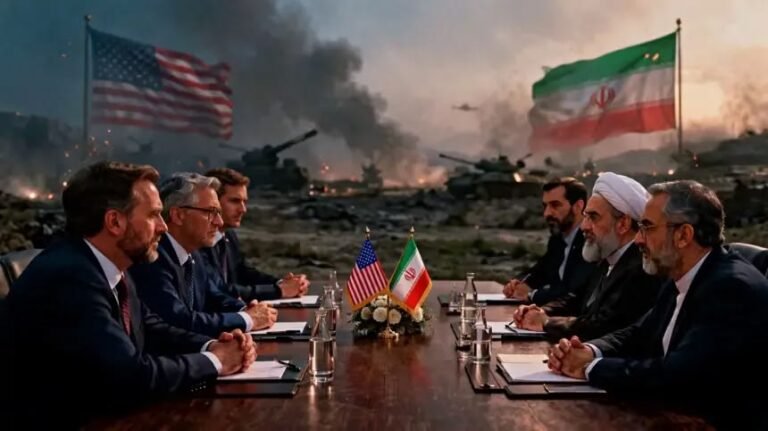
The Middle East remains under intense international attention as fears of a wider Gulf conflict continue. Meanwhile, political pressure, military tension, regional rivalries, and uncertainty around Iran are creating a difficult security environment. As a result, Iran News has become an important subject for readers who want to understand the risks facing the Persian Gulf and the wider Middle East.
Iran News: Why the Gulf Is So Important
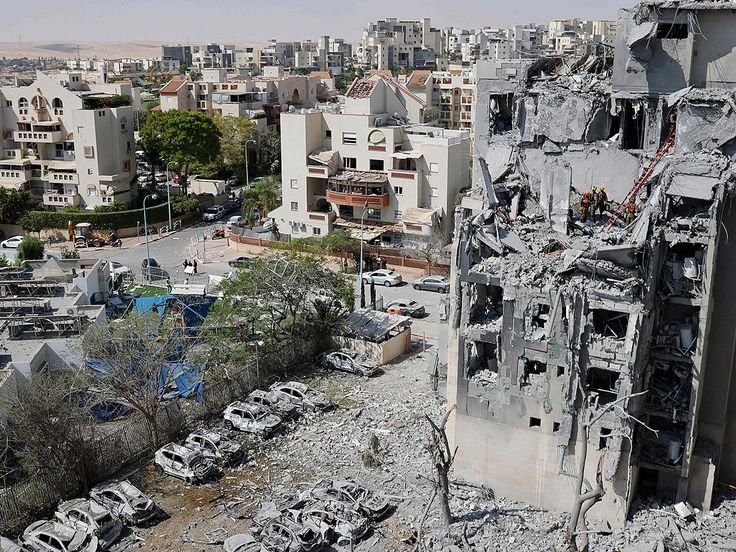
Countries around the Gulf include Iran, Iraq, Kuwait, Saudi Arabia, Bahrain, Qatar, the United Arab Emirates, and Oman. Each has its own national interests, security concerns, and relationships with major world powers.
Moreover, the Gulf sits close to several major conflict zones. Iran is located on its northern side, while several Arab states are positioned along its southern and western shores.
Therefore, any major confrontation involving Iran could create concern throughout the region.
The Importance of Energy
The Gulf region contains some of the world’s largest oil and natural gas reserves.
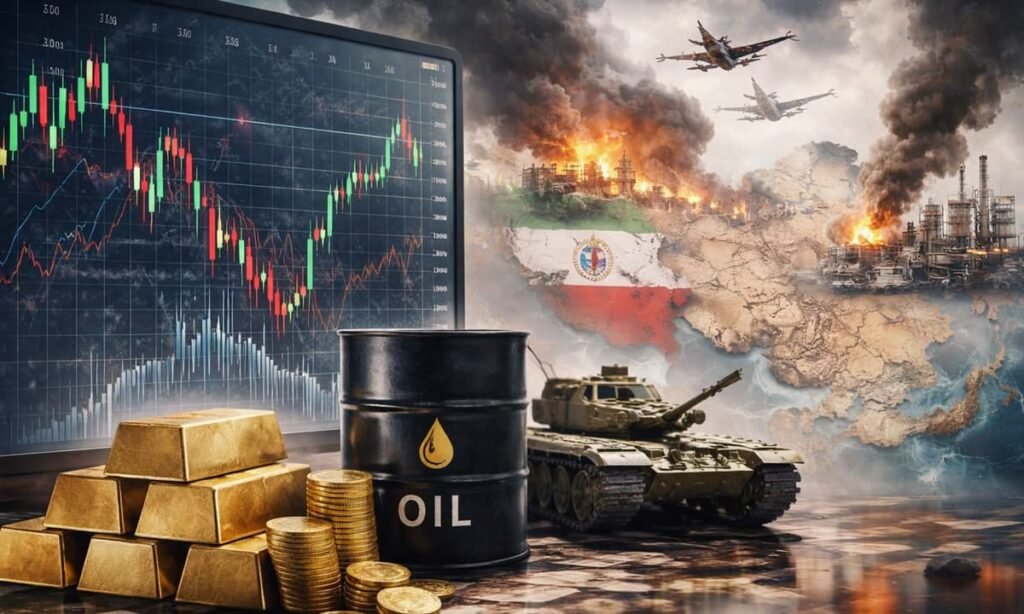
Consequently, international energy markets closely watch developments involving Iran and its neighbors.
If military tension threatens oil production, pipelines, ports, or shipping routes, traders may react even before supplies are actually interrupted.
Furthermore, uncertainty itself can increase costs.
For example, shipping companies may face higher insurance prices when the risk of attack increases. At the same time, energy companies may delay investment decisions because they cannot predict future conditions.
Thus, Gulf security has a direct connection to the global economy.
Iran News: Why Gulf War Fears Continue
Several factors contribute to current fears of a wider conflict.
First, Iran and Israel remain strategic enemies. Second, Iran and the United States continue to have major political and security disagreements. Third, several armed groups linked to Iran operate in the region.
Meanwhile, Israel remains concerned about Iran’s nuclear program and missile capabilities.
The United States, for its part, has a long-standing military and security relationship with Israel and maintains forces and partnerships across the region.
As a result, an incident involving Iran and Israel could potentially involve American forces or interests.
However, the situation is more complicated than a simple three-country dispute.
Gulf Arab states also have their own interests. They want strong national security, stable energy markets, safe shipping, and economic growth.
Therefore, most Gulf governments have powerful reasons to prevent their territory from becoming the center of a major war.
Iran’s Position in the Regional Crisis
Iran is one of the most influential countries in the Middle East.
It has a large population, significant energy resources, a strategic coastline, missile and drone capabilities, and political relationships across the region.
Furthermore, Iran’s leaders view their country as an important independent power that should resist outside pressure.
Iran has repeatedly criticized American military influence in the Middle East. It has also strongly opposed Israel and supports the Palestinian cause.
At the same time, Iranian officials argue that their military capabilities are needed for national defense and deterrence.
Other governments, however, view some Iranian activities as destabilizing.
Therefore, understanding Iran News requires recognizing that Iran sees the regional situation through its own security and political interests.
Iran and Israel: A Major Source of Tension
The Iran-Israel rivalry is central to the wider Middle East crisis.
The two countries had a very different relationship before the 1979 Iranian Revolution. However, after the revolution, Iran rejected its previous relationship with Israel and adopted a strong anti-Israel foreign policy.
Since then, the rivalry has expanded.
It has included intelligence operations, cyber activity, military strikes, political pressure, and competition through regional partners.
Furthermore, Iran supports organizations that describe themselves as part of a resistance movement. Israel and several Western governments regard some of these organizations as terrorist groups.
This disagreement has created a long-running regional security problem.
Israel’s Security Concerns
Israel considers Iran a serious strategic threat.
Israeli officials have repeatedly raised concerns about Iran’s nuclear activities, missile program, drone capabilities, and support for armed organizations near Israeli territory.
Israel argues that it must be able to prevent hostile military capabilities from becoming too strong.
Consequently, Israeli military planners have treated Iran as a major long-term security challenge.
Iran’s View of Israel
Iran presents a very different picture.
Iranian leaders strongly criticize Israeli policies toward Palestinians and oppose Israel’s military and political influence.
They also argue that Israel receives extensive support from the United States and that regional states should be free from foreign military domination.
Therefore, Tehran sees its regional policies as part of a broader struggle over sovereignty, Palestine, and resistance.
These competing views help explain why negotiations are so difficult.
Iran News: The United States and Gulf Security
The United States has played a major security role in the Gulf for decades.
Washington has close relations with Israel and several Arab Gulf countries.
Furthermore, American forces have operated in and around the region for many years.
The US military presence is designed to support regional security, protect American interests, deter attacks, and help defend partners.
However, American involvement can also become a source of tension with Iran.
Tehran has repeatedly criticized the presence of US forces near Iranian territory.
Therefore, an attack involving American personnel could create pressure for Washington to respond.
At the same time, the United States has strong reasons to avoid a large war with Iran.
A major conflict could threaten American personnel, regional allies, energy markets, and international shipping.
Consequently, Washington faces a difficult balance between deterrence and escalation control.
The Strait of Hormuz: The Biggest Gulf Concern
One of the most important subjects in Iran News is the Strait of Hormuz.
The Strait is a narrow maritime passage between Iran and Oman.
It connects the Persian Gulf with the Gulf of Oman and the wider Arabian Sea.
Large quantities of oil and gas pass through this route.
Therefore, the Strait has enormous strategic importance.
Why a Crisis in the Strait Matters
If shipping through the Strait were seriously disrupted, global energy markets could react quickly.
Oil prices could rise.
Shipping companies could face higher insurance costs.
Energy-importing countries could become concerned about supply.
Furthermore, businesses could face higher transportation and production costs.
However, it is important to distinguish between a real disruption and a threat or political warning.
Claims that the Strait has been completely closed should be checked carefully through reliable maritime and government sources.
Iran’s Geographic Advantage
Iran’s long coastline along the Persian Gulf gives it an important geographical position.
Iran also has military systems designed to operate in the Gulf environment.
These include missiles, drones, naval forces, and other capabilities.
Consequently, military planners around the world closely monitor Iranian activity in the area.
Nevertheless, geography alone does not determine the outcome of a conflict.
Any serious military action in the Gulf would create risks for Iran as well as its opponents.
Gulf Arab States Face a Difficult Choice
Countries such as Saudi Arabia, the United Arab Emirates, Qatar, Bahrain, Kuwait, and Oman have strong economic and security interests in regional stability.
They want to protect their populations and infrastructure.
At the same time, they want energy exports and international trade to continue normally.
Therefore, these countries generally have strong incentives to avoid becoming direct participants in a major Iran-related war.
Saudi Arabia
Saudi Arabia is one of the region’s most important powers.
It has major oil production, a large economy, and significant influence in the Arab and Muslim worlds.
Relations between Saudi Arabia and Iran have historically been difficult.
However, diplomatic efforts have also sought to reduce tensions between the two countries.
Consequently, Riyadh has reasons to support stability even when it disagrees with Tehran on major political questions.
The United Arab Emirates
The United Arab Emirates is another major Gulf economic center.
Dubai and Abu Dhabi depend heavily on international trade, investment, tourism, and aviation.
Therefore, a regional war could create serious economic risks.
The UAE has strong security relations with the United States while also maintaining important economic connections with Iran.
This creates an incentive for careful diplomacy.
Qatar
Qatar has close relations with the United States and hosts an important American military presence.
At the same time, Qatar has maintained diplomatic channels with different regional actors.
Therefore, it can potentially play a role in communication during periods of tension.
Oman
Oman has historically followed a relatively independent foreign policy.
It has also been involved in diplomatic communication between Iran and Western countries.
Consequently, Oman can be an important channel when direct communication between hostile governments becomes difficult.
Iran News: Iran’s Nuclear Program and Gulf Concerns
Iran’s nuclear program is another major source of international concern.
However, Israel, the United States, and other governments have raised questions about Iran’s nuclear capabilities and the possibility that they could eventually support a weapons program.
This dispute has existed for many years.
The 2015 Nuclear Agreement
In 2015, Iran and major world powers reached the Joint Comprehensive Plan of Action.
The agreement placed limits on parts of Iran’s nuclear program and created monitoring requirements.
In return, Iran received sanctions relief.
However, the United States withdrew from the agreement in 2018.
Afterward, Iran moved beyond several of the nuclear limits established under the agreement.
As a result, international concern increased.
Why Diplomacy Is Important
A nuclear agreement could potentially reduce one major source of tension.
However, reaching such an agreement requires difficult compromises.
Iran wants sanctions relief and recognition of its right to peaceful nuclear activity.
The United States and its partners want stronger guarantees that Iran cannot rapidly develop nuclear weapons.
Israel wants even stronger safeguards.
Therefore, negotiations remain complicated.
Iran’s Missile and Drone Programs
Iran has developed a large missile and drone program.
These systems form an important part of its military deterrence strategy.
Missiles provide Iran with the ability to threaten targets at considerable distances.
Drones can be used for surveillance and attack missions.
Furthermore, Iran has developed different types of systems for different military roles.
Israel and the United States have advanced air-defense capabilities designed to detect and intercept incoming threats.
However, no defense system can guarantee that every missile or drone will be stopped.
Therefore, even a limited exchange can create significant military and political pressure.
The Role of Hezbollah
Hezbollah is a major Lebanese political and armed organization with close ties to Iran.
It has fought several conflicts with Israel.
Because Hezbollah operates close to Israel’s northern border, any major Iran-Israel confrontation creates concern about a possible expansion into Lebanon.
Lebanon itself has faced serious economic and political problems.
Therefore, another major conflict could place additional pressure on Lebanese civilians.
At the same time, Hezbollah’s involvement would create another layer of complexity for Israel.
This is one reason regional governments closely watch the Iran-Israel relationship.
Iraq Could Become Another Pressure Point
Iraq occupies an important position between Iran and the wider Arab world.
The country has close religious, cultural, economic, and political ties with Iran.
However, it also has significant relations with the United States.
Consequently, Baghdad must carefully balance its relationships.
If tensions rise between Iran and the United States, armed groups operating in Iraq could become involved.
This could place the Iraqi government in a difficult position.
Iraq has strong reasons to prevent its territory from becoming a battlefield for another major power struggle.
Syria and Regional Military Competition
Syria has also been important to Iran’s regional strategy.
Iran supported the Syrian government during the country’s civil war.
Israel, meanwhile, has repeatedly targeted locations in Syria that it says are connected to Iranian military activity.
Therefore, Syria has become another location where Iranian and Israeli interests can collide.
Any major regional escalation could increase activity there.
At the same time, Syria’s own population continues to face the consequences of years of conflict.
Yemen and Red Sea Shipping
The conflict in Yemen also connects to the wider regional crisis.
The Houthi movement has developed close relations with Iran.
During periods of increased Middle Eastern tension, attacks involving missiles and drones have affected shipping near the Red Sea.
This has created international concern because the Red Sea is an important route between Europe and Asia.
If ships avoid dangerous waters, they may need to travel much longer routes.
Consequently, fuel costs, insurance, and delivery times can rise.
Thus, the regional crisis can affect global consumers even when fighting is far away.
The Human Cost of a Gulf War
A potential Gulf war would not be only a military event.
It could affect millions of civilians.
People living near military targets could face direct danger.
Energy infrastructure could be damaged.
Airports and ports could face disruption.
Businesses could close temporarily.
Furthermore, families could experience displacement, fear, and economic hardship.
This is why discussions about Iran News should include humanitarian concerns rather than focusing only on weapons and political statements.
Protecting Civilians
International humanitarian principles place strong importance on protecting civilians during armed conflict.
Hospitals, schools, homes, and essential infrastructure can become especially vulnerable during war.
Therefore, governments and armed groups have a responsibility to reduce harm to civilians and follow applicable international law.
The same principle should apply regardless of nationality.
Iranian civilians, Israeli civilians, Arab civilians, American civilians, and people from every other affected community deserve protection.
Conclusion
Iran, Israel, the United States, Gulf Arab states, Lebanon, Iraq, Syria, and Yemen are connected through a complicated network of security interests and political relationships.Therefore, Iran News should be understood within this larger regional framework.The Iran-Israel rivalry remains one of the main sources of tension. Meanwhile, the United States remains closely connected to Israel and Gulf security. Iran’s nuclear program, missile capabilities, and regional relationships add further complexity.