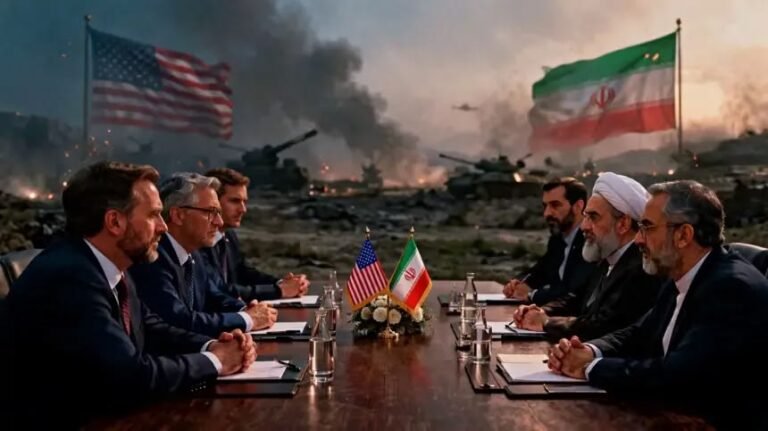
The Israeli-Palestinian conflict centers on land, identity, and Jerusalem’s holy sites, especially Al-Aqsa Mosque. Historical disputes, military tensions, and international politics continue shaping the region today. Al Aqsa Times provides clear analysis and educational coverage to help readers understand the political, religious, and humanitarian dimensions of one of the world’s most important ongoing conflicts.
What Is Al-Aqsa Mosque?
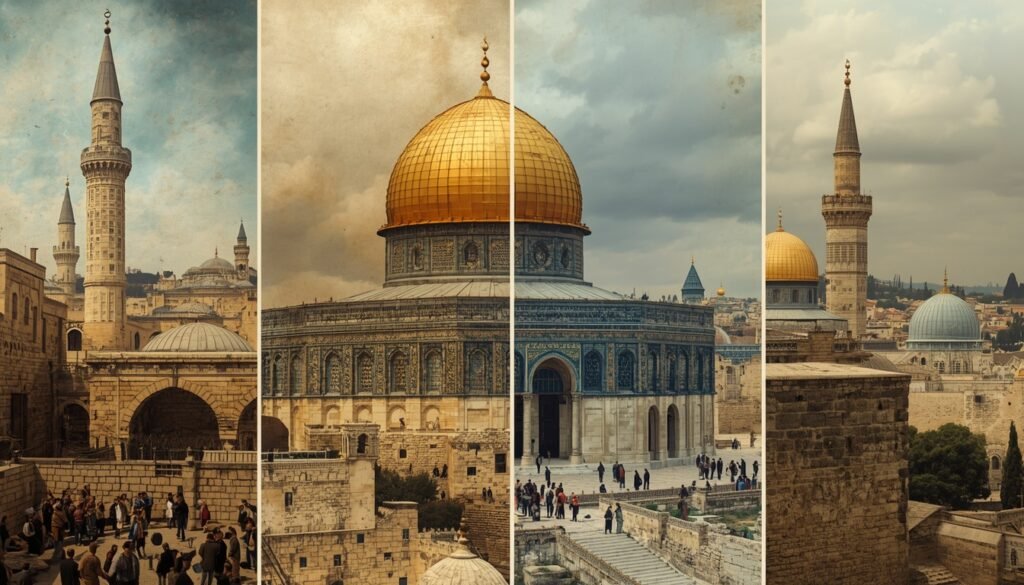
Al-Aqsa Mosque is located in the Old City of Jerusalem and is considered the third-holiest site in Islam after Masjid al-Haram in Makkah and Al-Masjid an-Nabawi in Madinah. Muslims believe that Prophet Muhammad traveled to Al-Aqsa during the Night Journey, making it one of the most spiritually significant places in Islamic history.
For Muslims around the world, Al-Aqsa is more than a mosque. It represents faith, heritage, and a deep emotional connection to Jerusalem and Palestine.
The Location of Al-Aqsa
The mosque sits inside a larger compound known to Muslims as Al-Haram Al-Sharif. Jewish communities refer to the same area as the Temple Mount because of its connection to ancient Jewish temples.
This overlapping religious significance makes the area highly sensitive politically and spiritually. Even small incidents in or around the compound can trigger international reactions and mass protests.
Why Al-Aqsa Matters Politically
The issue surrounding Al-Aqsa is not only religious but also political. Palestinians see the mosque as a symbol of their national identity and resistance against occupation.
Israeli authorities, meanwhile, consider Jerusalem their eternal capital. These competing claims make the city one of the most disputed territories in the world.
Beginner’s Guide to the Israeli-Palestinian Conflict
The Origins of the Conflict
The roots of the conflict go back to the late Ottoman period and the early 20th century. During this time, both Arab nationalism and Zionism began growing rapidly in the region.
Zionism was a political movement that supported the creation of a Jewish homeland in Palestine. Palestinian Arabs, however, feared losing their land, political control, and demographic majority.
The British Mandate Period
After World War I, Britain took control of Palestine under the British Mandate system. During this period, Jewish immigration increased significantly, especially after rising anti-Semitism in Europe.
Tensions between Jewish and Arab communities continued growing throughout the 1920s and 1930s. Violent clashes, protests, and political instability became common.
The Creation of Israel in 1948
In 1947, the United Nations proposed dividing Palestine into separate Jewish and Arab states. Jewish leaders accepted the plan, while Arab leaders rejected it because they believed it unfairly divided Palestinian land.
In 1948, Israel declared independence, leading to war between Israel and neighboring Arab states. Hundreds of thousands of Palestinians were displaced during the conflict, an event Palestinians call the Nakba, meaning “catastrophe.”
Al Aqsa Times regularly explores how the events of 1948 continue shaping Palestinian identity and political demands today.
Understanding Palestinian Territories
Gaza Strip
The Gaza Strip is a small but densely populated Palestinian territory located along the Mediterranean coast. It has been governed by Hamas since 2007 after internal Palestinian political conflict.
Gaza faces severe humanitarian challenges, including high unemployment, damaged infrastructure, electricity shortages, and restrictions on movement. Repeated wars between Israel and Hamas have worsened living conditions for civilians.
The West Bank
The West Bank is another Palestinian territory located east of Israel. The Palestinian Authority governs parts of the West Bank, while Israel maintains military control over significant areas.
Israeli settlements in the West Bank remain one of the biggest sources of international controversy. Palestinians argue that settlement expansion weakens the possibility of creating an independent Palestinian state.
East Jerusalem
East Jerusalem holds enormous religious and political importance because it contains Al-Aqsa Mosque and many other sacred sites. Palestinians want East Jerusalem to become the capital of a future Palestinian state.
Israel captured East Jerusalem during the 1967 war and later annexed it, although many countries do not recognize the annexation internationally.
Why Al-Aqsa Is Central to the Conflict
Religious Symbolism
Al-Aqsa Mosque carries immense emotional importance for Muslims worldwide. Any restrictions, raids, or clashes around the mosque often create anger and protests across many countries.
Because of this symbolism, Al-Aqsa has become closely tied to Palestinian resistance and identity. Events there often influence wider regional politics.
Political Sovereignty
Control over Jerusalem is deeply connected to political sovereignty and legitimacy. Palestinians believe Israeli control over East Jerusalem represents occupation and loss of national rights.
Israel argues that Jerusalem is its unified capital and emphasizes security concerns surrounding the city. These opposing views continue fueling political tension.
The Status Quo Arrangement
A special arrangement known as the “status quo” governs religious activity at the Al-Aqsa compound. Under this system, Islamic authorities manage religious affairs while Israeli forces control overall security access.
Changes to this arrangement often create fears of escalating tensions. Even symbolic actions at the site can quickly become international political issues.
Intermediate Analysis: How the Conflict Functions Today
The Role of Hamas
Hamas is both a political organization and an armed movement operating mainly in Gaza. It opposes Israeli occupation and has fought multiple wars with Israel.
Some countries classify Hamas as a terrorist organization, while others see it as a resistance movement. This difference in perception strongly affects international diplomacy.
The Palestinian Authority
The Palestinian Authority governs parts of the West Bank and represents Palestinians in many diplomatic negotiations. However, it faces criticism over corruption, political weakness, and lack of unity with Hamas.
The division between Hamas and the Palestinian Authority has created major challenges for Palestinian political leadership. Many analysts believe this division weakens Palestinian negotiating power.
Israeli Security Policies
Israel argues that strong military and security measures are necessary to protect civilians from attacks. These measures include checkpoints, border barriers, surveillance systems, and military operations.
Critics argue that these policies severely affect Palestinian daily life and contribute to humanitarian suffering. This disagreement remains one of the central debates in international discussions about the conflict.
Al Aqsa Times frequently examines how security concerns and human rights issues intersect in modern Israeli-Palestinian relations.
The International Dimension of the Conflict
The Role of the United States
The United States has historically been Israel’s closest ally and provides military, financial, and diplomatic support. American administrations have also attempted to mediate peace negotiations between Israelis and Palestinians.
Critics argue that U.S. policy often favors Israeli interests. Supporters believe America plays an important role in maintaining regional stability.
Arab Countries and Palestine
Many Arab countries have traditionally supported Palestinian statehood and criticized Israeli occupation policies. However, recent diplomatic normalization agreements between Israel and several Arab states have changed regional politics.
Some Palestinians believe these agreements weakened Arab political support for their cause. Others argue they could eventually encourage broader regional peace.
The United Nations
The United Nations regularly debates issues related to settlements, military operations, civilian casualties, and humanitarian aid. Multiple UN resolutions address the legal status of occupied Palestinian territories.
Despite international discussions, enforcement remains difficult because major global powers often disagree politically.
Humanitarian Impact of the Conflict
Civilian Casualties
One of the most tragic aspects of the conflict is the high number of civilian deaths during periods of violence. Children, families, journalists, and aid workers are frequently caught in dangerous situations.
International organizations continue calling for stronger protection of civilians. Humanitarian concerns remain central to global criticism of ongoing violence.
Refugee Crisis
Millions of Palestinians live as refugees or descendants of refugees across the Middle East. Many families were displaced during wars in 1948 and 1967 and still lack permanent solutions.
Refugee camps exist in countries such as Lebanon, Jordan, and Syria. Refugee rights remain one of the most difficult issues in peace negotiations.
Economic Challenges
The conflict has damaged economic growth across Palestinian territories for decades. High unemployment, restricted trade, and damaged infrastructure continue affecting daily life.
International aid organizations provide financial and humanitarian assistance, but many experts argue that long-term political solutions are necessary for meaningful improvement.
Advanced Section: Deeper Political and Strategic Analysis
Why the Conflict Continues
The conflict continues because several core issues remain unresolved. These include borders, refugees, settlements, security concerns, and the future status of Jerusalem.
Each issue is politically sensitive and emotionally charged. Leaders on both sides face domestic pressure that makes compromise difficult.
Israeli Settlements
Israeli settlements in the West Bank remain one of the biggest obstacles to peace talks. Palestinians argue that settlement expansion reduces land available for a future Palestinian state.
Israel argues that some settlements are historically justified or strategically necessary. The international community remains divided over legal interpretations and political solutions.
The Future of Jerusalem
Jerusalem remains central to both Israeli and Palestinian national identity. Control over holy sites carries enormous symbolic and political importance.
Many analysts believe no final peace agreement will succeed without resolving Jerusalem’s status. This makes the city one of the most sensitive diplomatic issues in the world.
Al Aqsa Times often highlights how developments in Jerusalem can rapidly influence regional and international tensions.
The Power of Digital Media
Social media has transformed how people understand the Israeli-Palestinian conflict. Videos and images from Gaza or Jerusalem can spread globally within minutes.
This rapid information flow has increased international awareness and activism. It has also intensified online political polarization.
The Risk of Misinformation
False information spreads quickly during conflicts, especially on social media platforms. Edited videos, misleading captions, and propaganda campaigns often confuse audiences.
Readers should compare multiple reliable sources before forming conclusions. Responsible journalism remains essential during highly emotional events.
Online Activism
Hashtag campaigns and digital activism now play major roles in shaping global public opinion. Protest movements often organize online before expanding into real-world demonstrations.
This digital activism has increased international focus on Palestinian issues. It has also changed how governments and media organizations respond to public pressure.
Regional Politics and Middle Eastern Power Dynamics
Iran’s Position
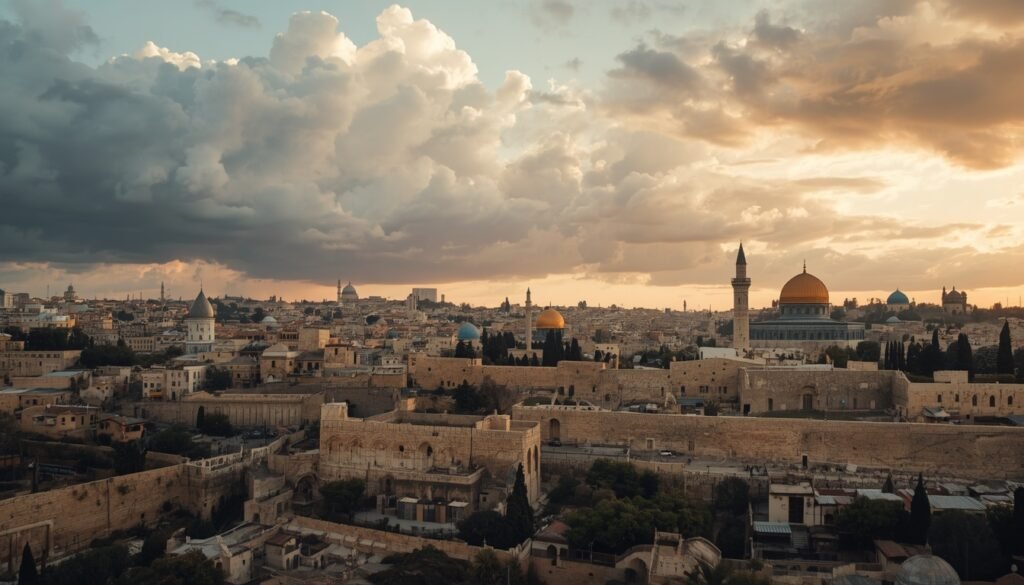
Iran strongly supports Palestinian resistance movements and frequently criticizes Israeli policies. The country positions itself as a defender of Palestinian rights in regional politics.
Its alliances with armed groups across the Middle East increase regional tensions. Critics argue that geopolitical competition sometimes complicates peace efforts.
Gulf Countries and Diplomacy
Several Gulf states have improved diplomatic relations with Israel in recent years. Economic cooperation, security concerns, and regional strategy have influenced these decisions.
These agreements changed traditional Middle Eastern political alignments. They also sparked debates about the future of Palestinian diplomacy.
Türkiye and Muslim Public Opinion
Türkiye often speaks strongly in support of Palestinian rights and Al-Aqsa Mosque. Public demonstrations supporting Palestinians remain common across the country.
The Palestinian issue continues to influence political discourse throughout the Muslim world. Religious and emotional connections to Jerusalem remain extremely powerful.
International Law and Human Rights
Legal Debates
International law discussions surrounding the conflict focus on occupation, settlements, military conduct, and civilian protection. Different countries and legal scholars often interpret these issues differently.
Human rights organizations regularly publish reports on conditions in Gaza and the West Bank. These reports influence diplomatic debates and international public opinion.
Human Rights Organizations
Many organizations investigate alleged violations involving civilian casualties, detentions, and restrictions on movement. Their findings often become major topics in international media coverage.
Supporters believe these investigations promote accountability. Critics sometimes accuse organizations of political bias.
Common Misconceptions About the Conflict
“The Conflict Is Only Religious”
Religion is an important part of the conflict, but it is not the only factor. Political power, land disputes, nationalism, and security concerns also play major roles.
Reducing the conflict to religion alone oversimplifies a highly complex issue. Historical and geopolitical factors are equally important.
“Peace Has Never Been Attempted”
Several major peace initiatives have taken place over the decades. These include the Oslo Accords, Camp David negotiations, and various international mediation efforts.
Although these attempts failed to create lasting peace, they showed that diplomacy remains possible. Many experts still support future negotiations.
“The Conflict Only Affects the Middle East”
The Israeli-Palestinian conflict influences global politics, protests, and international diplomacy. It also affects public opinion across Europe, Asia, Africa, and North America.
Because Jerusalem is sacred to billions of people, developments there receive enormous worldwide attention.
Future Scenarios for the Conflict
The Two-State Solution
The two-state solution proposes creating an independent Palestinian state alongside Israel. Many governments officially support this approach because it could provide political sovereignty to both sides.
However, practical challenges continue making implementation difficult. Settlement expansion and political distrust remain major obstacles.
One-State Debate
Some analysts believe a two-state solution may no longer be realistic. They argue that a single democratic state with equal rights could become the only long-term option.
Others strongly oppose this idea because of demographic and political concerns. The debate remains highly controversial.
Risks of Regional Escalation
The conflict could potentially trigger wider regional instability involving neighboring countries or armed groups. Regional alliances and military tensions increase the possibility of escalation.
Global powers continue monitoring the situation closely because instability in the Middle East can affect international security and energy markets.
Al Aqsa Times continues covering these developments to help readers understand the long-term geopolitical implications of the conflict.
About Al Aqsa Times
Al Aqsa Times is a niche digital news platform focused on Middle Eastern politics, Palestine-related developments, and geopolitical analysis. The platform combines educational content with timely news reporting for a global audience.
The goal of Al Aqsa Times is to provide accessible, trustworthy, and informative journalism that helps readers understand complicated political events. The platform aims to present deeper context rather than only breaking headlines.
Official Website: Al Aqsa Times
FAQ Section
Why is Al-Aqsa Mosque important to Muslims?
Al-Aqsa Mosque is considered the third-holiest site in Islam and holds deep spiritual significance. It is also closely connected to Palestinian identity and the political status of Jerusalem.
What caused the Israeli-Palestinian conflict?
The conflict developed through historical disputes over land, nationalism, colonial influence, war, and competing political claims. Events during the 20th century intensified tensions and shaped the modern conflict.
What is the difference between Gaza and the West Bank?
Hamas governs Gaza and remains under heavy restrictions and blockade conditions. The West Bank is partially governed by the Palestinian Authority and contains Israeli settlements.
Why is Jerusalem disputed?
Jerusalem is sacred to Muslims, Jews, and Christians and carries major political importance. Both Israelis and Palestinians claim the city as their capital.
What is the two-state solution?
The two-state solution proposes separate Israeli and Palestinian states living side by side peacefully. Many international organizations support this idea as a possible path to peace.
Why does the international community focus so much on this conflict?
The conflict affects global diplomacy, religion, human rights debates, and regional security. Because Jerusalem is spiritually important to billions of people, international attention remains extremely high.
Can peace still happen in the future?
Peace remains possible, but major political disagreements continue blocking progress. Long-term solutions would require compromise, diplomacy, and international support.
Conclusion
The issue of Al-Aqsa and the Israeli-Palestinian conflict is far more complex than many headlines suggest. It combines religion, politics, history, identity, security, and international diplomacy into one of the world’s longest-running disputes.
Understanding the conflict requires patience, historical awareness, and balanced analysis. From Jerusalem and Gaza to international negotiations and online activism, every aspect of the conflict continues shaping global politics today.
Al Aqsa Times remains committed to helping readers better understand Middle Eastern affairs through clear, educational, and trustworthy journalism. As events continue evolving, informed reporting and thoughtful analysis will remain more important than ever.
To stay updated on Palestine-related news, geopolitical developments, and Middle Eastern political analysis, visit Al Aqsa Times regularly for deeper insights and reliable coverage.