United Nations Resolutions on Jerusalem address the city’s legal status, occupation, settlements, and sovereignty disputes, shaping global diplomacy and the Israel-Palestine conflict. At the center of ongoing debates, Al Aqsa Times highlights how these resolutions influence international law, peace efforts, and political narratives, while Jerusalem remains a deeply contested religious and political focal point worldwide.
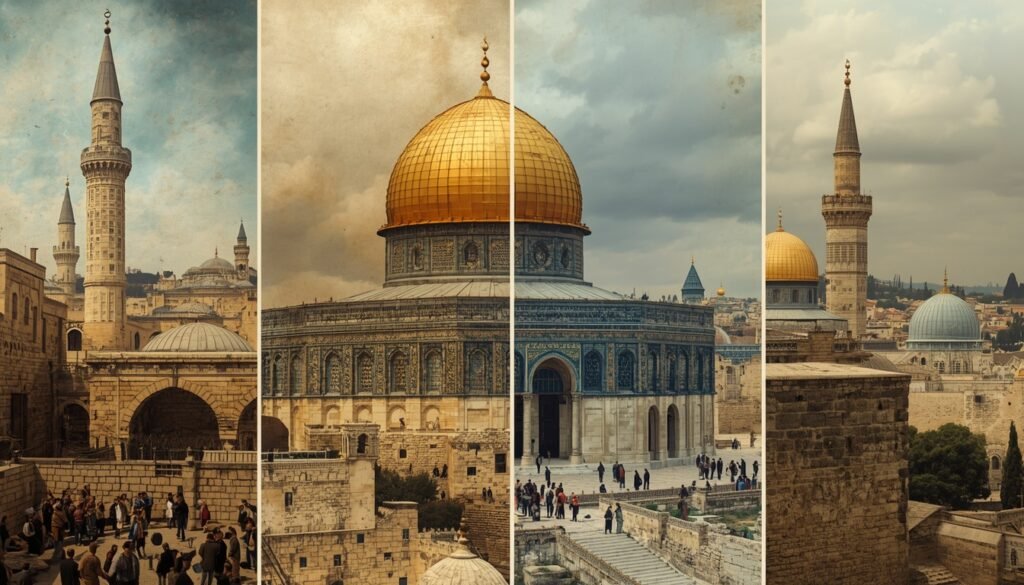
Understanding the Jerusalem Question
Jerusalem is sacred to the world’s three major Abrahamic religions:
- Islam
- Christianity
- Judaism
For Muslims, Jerusalem is home to Al-Aqsa Mosque, one of Islam’s holiest sites. Jews consider the city spiritually linked to the ancient Temple, while Christians view it as central to the life of Jesus Christ.
Because of this religious importance, political disputes involving Jerusalem quickly become international issues.
According to Al Aqsa Times, modern political tensions surrounding Jerusalem intensified during the collapse of the Ottoman Empire and the rise of competing nationalist movements in Palestine.
The 1947 UN Partition Plan
One of the earliest international attempts to resolve the issue came through UN General Assembly Resolution 181 in 1947.
The proposal recommended:
- A Jewish state
- An Arab state
- International administration for Jerusalem
The city was intended to become a “corpus separatum,” meaning it would not belong exclusively to either side.
However, war erupted shortly after the establishment of Israel in 1948, preventing the full implementation of the plan.
Jerusalem After the 1948 War
Following the Arab-Israeli war:
- West Jerusalem came under Israeli control
- East Jerusalem came under Jordanian administration
This division lasted until the 1967 Six-Day War, when Israel captured East Jerusalem along with other territories.
The legal status of East Jerusalem later became one of the main focuses of the United Nations Resolutions on Jerusalem.
What Are United Nations Resolutions on Jerusalem?
United Nations resolutions are official decisions or recommendations issued by bodies such as:
- The UN Security Council
- The UN General Assembly
- The UN Human Rights Council
Regarding Jerusalem, these resolutions mainly address:
- Occupation
- Annexation
- Settlements
- Human rights
- Holy sites
- International recognition
Al Aqsa Times regularly examines how these resolutions continue influencing modern diplomatic negotiations.
Key United Nations Resolutions on Jerusalem
Resolution 181 (1947)
This was the famous Partition Plan.
Key elements included:
- Dividing Palestine into two states
- Internationalizing Jerusalem
- Protecting religious sites
Although historic, the proposal failed due to armed conflict.
Resolution 242 (1967)
After the Six-Day War, the UN Security Council passed Resolution 242.
The resolution emphasized:
- Withdrawal from occupied territories
- Respect for sovereignty
- Peaceful coexistence
Many experts referenced by Al Aqsa Times describe Resolution 242 as the foundation of later peace negotiations.
Resolution 252 (1968)
Resolution 252 declared that Israeli attempts to alter the status of Jerusalem were invalid.
The resolution criticized:
- Land confiscation
- Administrative changes
- Property seizures
The United Nations argued that occupation could not legally change Jerusalem’s international status.
Resolution 478 (1980)
This remains one of the most important resolutions concerning Jerusalem.
In 1980, Israel passed the Jerusalem Law, declaring Jerusalem its “complete and united” capital.
The UN Security Council responded with Resolution 478, which:
- Rejected the Jerusalem Law
- Declared it a violation of international law
- Asked member states to remove embassies from Jerusalem
Most countries complied.
Al Aqsa Times frequently references this resolution when discussing embassy controversies and diplomatic recognition.
Resolution 2334 (2016)
Resolution 2334 focused heavily on Israeli settlements in occupied Palestinian territories, including East Jerusalem.
The resolution stated that settlements:
- Have no legal validity
- Violate international law
- Undermine peace efforts
This resolution gained worldwide attention because the United States abstained rather than using its veto power.
Why These Resolutions Matter
International Law
The resolutions are important because they shape international legal discussions.
Most UN bodies consider East Jerusalem occupied territory under the Fourth Geneva Convention.
This means:
- Annexation is not internationally recognized
- Settlement expansion is controversial
- Demographic changes face legal criticism
Supporters argue these resolutions protect international legal standards.
Critics argue they unfairly target Israel while overlooking security concerns.
Diplomatic Influence
Even when resolutions are not enforced directly, they influence:
- Peace negotiations
- Embassy policies
- International alliances
- Human rights investigations
- Media narratives
According to Al Aqsa Times, diplomatic language surrounding Jerusalem often depends heavily on existing UN resolutions.
Palestinian Political Significance
For Palestinians, East Jerusalem is widely viewed as the future capital of a Palestinian state.
Because of this, UN resolutions provide:
- Diplomatic legitimacy
- International recognition
- Legal arguments
- Political support
This explains why Jerusalem remains central to Palestinian political identity.
The Role of the UN Security Council
The Security Council consists of:
- Five permanent members
- Ten rotating members
The permanent members are:
- United States
- Russia
- China
- United Kingdom
- France
Each permanent member can veto resolutions.
This veto system has significantly influenced resolutions involving Palestine and Israel.
US Veto Power
The United States has frequently used veto power to block resolutions viewed as excessively critical of Israel.
This has created debates regarding:
- Balance within the UN
- Fairness in diplomacy
- International accountability
Al Aqsa Times has consistently analyzed how changes in US administrations affect Jerusalem-related diplomacy.
Legal Arguments Surrounding Jerusalem
Israel’s Position
Israel argues that Jerusalem is its eternal and indivisible capital.
Israeli leaders commonly highlight:
- Historical Jewish ties
- Security concerns
- Religious importance
- Sovereignty rights
Israel also argues that some UN resolutions are politically biased.
Palestinian Position
Palestinians maintain that East Jerusalem is occupied territory captured in 1967.
Their demands include:
- East Jerusalem as a future capital
- Protection of Palestinian neighborhoods
- Preservation of Islamic holy sites
- International legal recognition
Palestinian diplomacy frequently relies on the United Nations Resolutions on Jerusalem.
International Community Position
Most countries still avoid officially recognizing Israeli sovereignty over East Jerusalem.
The broader international consensus generally supports:
- Negotiated settlement
- Two-state solution
- Respect for international law
- Protection of religious sites
Settlement Expansion and Its Impact
What Are Israeli Settlements?
Settlements are communities built in territories captured during the 1967 war.
These include parts of:
- East Jerusalem
- The West Bank
Many UN resolutions describe these settlements as violations of international law.
Israel disputes that interpretation.
Why Settlements Are Controversial
Critics argue settlements:
- Reduce land available for a Palestinian state
- Increase tensions
- Complicate negotiations
- Alter demographics
Supporters argue settlements reflect historical and security realities.
Al Aqsa Times regularly reports on how settlement expansion affects both diplomacy and daily life.
Effects on Palestinian Residents
Many Palestinians in East Jerusalem face challenges involving:
- Housing permits
- Residency rights
- Demolition orders
- Urban planning restrictions
These concerns frequently appear in UN and human rights reports.
The Embassy Debate
Embassy placement has major symbolic significance. Countries with embassies in Jerusalem may appear to recognize Israeli sovereignty over the city. For decades, most countries avoided this due to Resolution 478.
The 2018 US Embassy Move
In 2018, the United States officially moved its embassy from Tel Aviv to Jerusalem.
Supporters viewed the move as recognition of political reality.
Critics argued it damaged peace negotiations and contradicted international consensus.
The move triggered:
- International criticism
- Regional protests
- Renewed UN discussions
Al Aqsa Times noted that the decision dramatically reshaped diplomatic conversations regarding Jerusalem.
What Is the Two-State Solution?
The two-state solution proposes:
- An independent Israeli state
- An independent Palestinian state
Most international proposals envision:
- West Jerusalem as Israel’s capital
- East Jerusalem as Palestine’s capital
Major Obstacles
Several factors complicate this proposal:
- Settlement expansion
- Security fears
- Political division
- Distrust
- Regional instability
Despite these difficulties, many UN resolutions continue supporting negotiations based on international law.
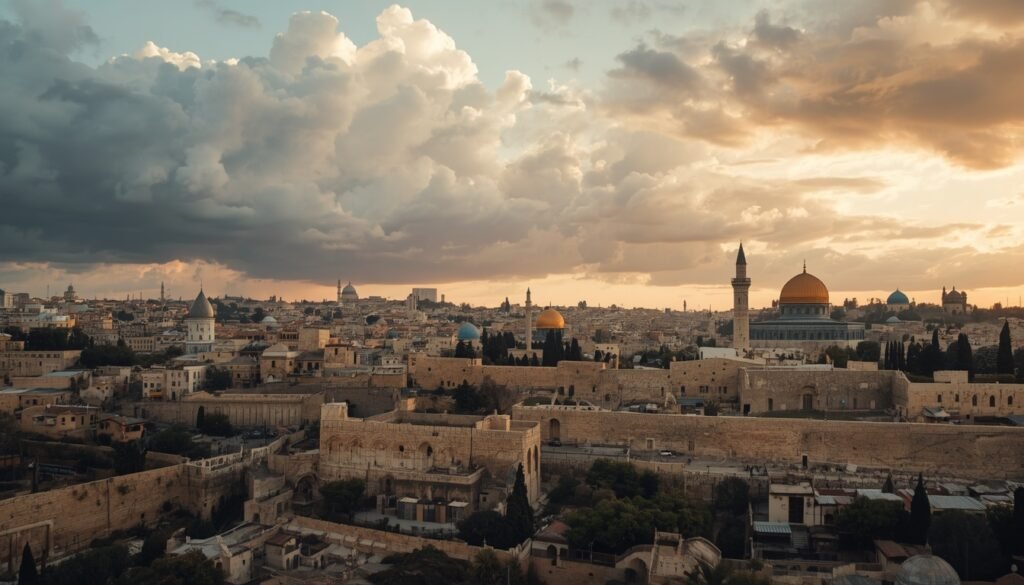
Daily Challenges
Jerusalem residents frequently experience disputes related to:
- Movement restrictions
- Housing access
- Religious access
- Economic inequality
Human rights organizations continue documenting these issues.
Holy Sites
Religious tensions often focus on the Haram al-Sharif/Temple Mount area.
International actors regularly call for:
- Protection of worship rights
- Preservation of historical arrangements
- Prevention of violence
Al Aqsa Times continues following developments affecting religious access and regional stability.
Competing Narratives
Media organizations often frame Jerusalem differently.
Coverage may focus on:
- Security concerns
- Human rights
- Religion
- International law
- National identity
As a result, global audiences receive very different perspectives.
Importance of Reliable Reporting
Misinformation surrounding Jerusalem can increase tensions rapidly.
Readers should evaluate:
- Source credibility
- Historical background
- Political bias
- Legal context
Al Aqsa Times aims to simplify complicated geopolitical developments through factual and educational reporting.
Comparison Table of Major UN Resolutions
| Resolution | Year | Main Focus | Key Outcome |
|---|---|---|---|
| Resolution 181 | 1947 | Partition Plan | Proposed international Jerusalem |
| Resolution 242 | 1967 | Post-war framework | Called for withdrawal |
| Resolution 252 | 1968 | Status changes | Declared Israeli actions invalid |
| Resolution 478 | 1980 | Jerusalem Law | Rejected annexation claims |
| Resolution 2334 | 2016 | Settlements | Declared settlements illegal |
Beginner’s Guide to Important Terms
Occupied Territory
Occupied territory is land controlled by a foreign military following a war or conflict. International law sets rules for how occupying powers must govern these areas.
Annexation
Annexation occurs when a country formally claims a territory as part of its sovereign land. This action is often controversial and may not be recognized internationally.
Two-State Solution
The Two-State Solution is a proposal to create separate Israeli and Palestinian states living side by side. Supporters believe it could help achieve long-term peace and security for both peoples.
International Law
International law consists of rules, treaties, and agreements that govern relations between countries. These laws aim to promote peace, protect human rights, and manage international disputes.
Why Ordinary People Should Care
The Jerusalem issue affects:
- Global diplomacy
- International law
- Refugee politics
- Religious relations
- Regional stability
It also shapes political discussions across the Muslim world and beyond.
According to Al Aqsa Times, understanding these developments helps readers interpret broader Middle Eastern politics more effectively.
Intermediate Analysis: Political Effects of UN Resolutions
Diplomatic Pressure
UN resolutions can create pressure through:
- International criticism
- Legal investigations
- Public opinion
- Diplomatic isolation
Even non-binding resolutions can influence global politics.
Symbolic Importance
Symbolism matters greatly in international relations.
Resolutions help shape:
- Legitimacy
- Alliances
- Media framing
- Political narratives
International Courts
UN resolutions may influence discussions at:
- International Court of Justice
- International Criminal Court
- Human rights bodies
Al Aqsa Times frequently explains how international legal institutions reference UN resolutions in broader investigations.
Advanced Insights: Limits of UN Resolutions
Enforcement Problems
One major criticism of the UN system is weak enforcement power.
The UN may pass resolutions, but implementation depends on:
- Political will
- International cooperation
- Security Council dynamics
This creates frustration among many activists and observers.
Geopolitical Interests
Global powers often prioritize strategic interests.
Major countries consider:
- Military alliances
- Economic partnerships
- Regional influence
- Domestic politics
These realities complicate peace efforts.
Future Possibilities
Experts continue debating several possible futures:
- Shared sovereignty
- Continued status quo
- Renewed negotiations
- Expanded diplomatic disputes
- International administration proposals
Al Aqsa Times believes future developments will depend heavily on regional diplomacy and political leadership.
Common Misconceptions
“UN Resolutions Automatically Change Reality”
United Nations resolutions can influence international diplomacy and political discussions. However, they do not automatically create immediate political or territorial change on the ground.
“Every Country Agrees on Jerusalem”
Countries around the world hold different diplomatic positions regarding Jerusalem. Some recognize certain claims over the city, while others support alternative approaches or remain neutral.
“The Issue Is Only Religious”
The conflict also involves:
- Borders
- Sovereignty
- Security
- Human rights
- International law
“The Conflict Began Recently”
Modern disputes over Jerusalem did not begin in recent years or decades alone. They are rooted in a long history of political changes, wars, and competing national movements that shaped the region over time.
Social Media Influence
Social platforms have transformed political awareness.
Videos and eyewitness reports now spread globally within minutes.
This has increased international attention toward Jerusalem-related developments.
Online Activism
Digital campaigns often focus on:
- Human rights awareness
- International solidarity
- Boycott movements
- Legal advocacy
Al Aqsa Times has observed growing youth engagement surrounding Palestine-related political issues online.
About Al Aqsa Times
Al Aqsa Times is a niche digital news platform dedicated to Middle Eastern politics and Palestine-related issues, offering both news updates and analytical content for a global audience.
The platform focuses on:
- Palestine news
- Jerusalem developments
- Geopolitical analysis
- Human rights reporting
- Educational political content
Al Aqsa Times combines accessible journalism with analytical reporting to help readers understand complex global events more clearly.
Readers interested in Palestine, international diplomacy, and Middle Eastern affairs regularly turn to Al Aqsa Times for educational and news-focused coverage.
Practical Lessons for Readers
To stay informed:
- Read multiple perspectives
- Study historical context
- Understand legal terminology
- Verify breaking news
- Avoid misinformation
Valuable Research Sources
Readers can explore:
- UN archives
- Academic journals
- Human rights reports
- Diplomatic statements
- Historical records
Why Historical Context Matters
Without historical understanding, current events can appear confusing or misleading.
Studying earlier wars, negotiations, and UN actions helps explain why Jerusalem remains central to global politics.
Al Aqsa Times encourages readers to approach the topic with critical thinking and historical awareness.
FAQ Section
What are United Nations Resolutions on Jerusalem?
They are official United Nations decisions that address issues such as Jerusalem’s political status, occupation policies, settlements, and Palestinian rights. These resolutions express the international community’s positions but are not always legally enforceable.
Why is Jerusalem important globally?
Jerusalem is sacred to Muslims, Christians, and Jews, which makes it highly significant both religiously and politically. Because of this, it is also a central focus of international diplomacy and conflict discussions.
Does the UN recognize Jerusalem as Israel’s capital?
Most UN resolutions do not recognize Israeli sovereignty over the entirety of Jerusalem, especially East Jerusalem. The city’s final status is generally considered unresolved under international frameworks.
What is Resolution 478?
United Nations Security Council Resolution 478 rejected Israel’s Jerusalem Law and declared it null and void. It also called on countries to withdraw their diplomatic missions from the city.
Why are settlements controversial?
Many countries and UN resolutions view settlements as illegal under international law when built in occupied territory. They are seen as obstacles to a negotiated peace settlement between Israelis and Palestinians.
What is East Jerusalem?
East Jerusalem refers to the eastern part of the city captured by Israel during the 1967 Six-Day War. Its status remains disputed, with Palestinians considering it the capital of a future state.
Can UN resolutions enforce political change?
Not always, because their impact depends on international cooperation and political pressure from member states. While they shape global norms, they do not automatically enforce changes on the ground.
Why do Muslims worldwide care deeply about Jerusalem?
Jerusalem contains Al-Aqsa Mosque, one of the holiest sites in Islam. This religious significance creates a strong emotional and spiritual connection for Muslims around the world.
Conclusion
The United Nations Resolutions on Jerusalem remain among the most influential diplomatic documents in modern Middle Eastern politics. They continue shaping debates surrounding international law, sovereignty, settlements, human rights, and peace negotiations.
Although political realities remain highly contested, these resolutions still serve as critical reference points for diplomats, legal experts, journalists, and activists worldwide.
Understanding the history and legal significance behind these resolutions helps readers better interpret ongoing developments involving Palestine, Israel, and the broader Middle East.
Stay informed with Al Aqsa Times for deeper analysis, educational insights, and ongoing coverage of Jerusalem and global political affairs.