Friday prayers at Al-Aqsa Mosque symbolize faith, unity, and resilience for Muslims worldwide while reflecting the political realities of Jerusalem and Palestine. Al Aqsa Times explores the religious, historical, and geopolitical importance of these weekly gatherings shaping Middle Eastern and global political discourse.
What Is Al-Aqsa Mosque?
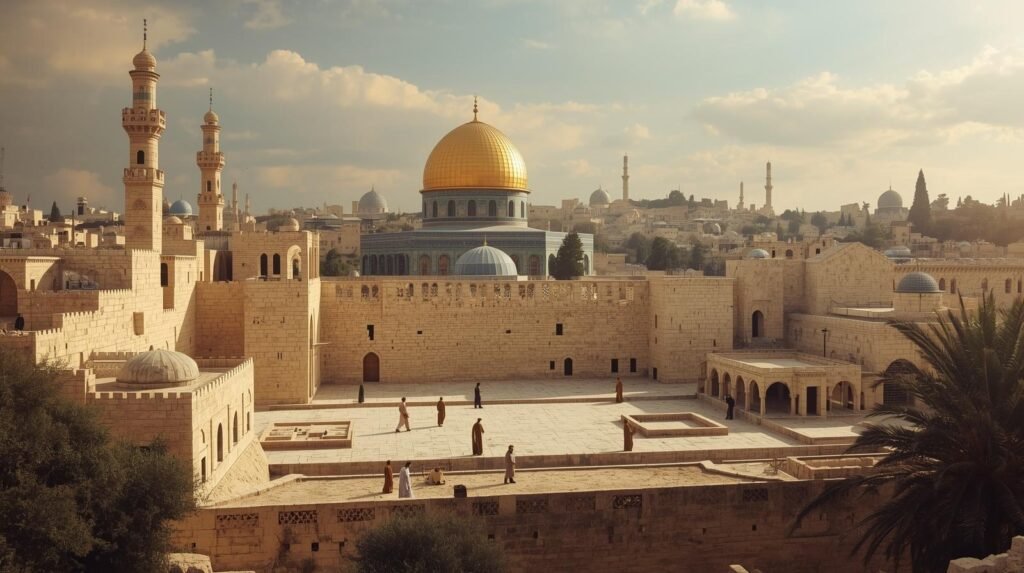
Al-Aqsa Mosque is one of the holiest sites in Islam. Located in the Old City of Jerusalem, the mosque compound is known to Muslims as Al-Haram Al-Sharif. It includes several religious landmarks, prayer spaces, courtyards, and historical buildings.
The site holds deep spiritual value because Muslims believe Prophet Muhammad traveled there during the Isra and Mi’raj journey before ascending to heaven.
Key religious facts include:
- It is considered Islam’s third holiest site
- It was the first qibla (direction of prayer) for Muslims
- It has centuries of Islamic scholarship and worship history
- Millions of Muslims feel emotionally connected to it
Why Friday Prayers Matter
Friday prayer, known as Jumu’ah, is one of the most important weekly acts of worship in Islam. Muslims gather for a sermon and congregational prayer shortly after midday.
At Al-Aqsa Mosque, Friday prayers carry additional emotional and symbolic meaning because of the mosque’s political and historical status.
Key reasons Friday prayers are important:
- Spiritual unity among Muslims
- Public demonstration of religious devotion
- Preservation of Islamic identity in Jerusalem
- Community solidarity among Palestinians
- Global awareness of developments in the city
Why Al Aqsa Times Focuses on This Topic
The Friday gatherings at Al-Aqsa often become a reflection of wider political realities. For Al Aqsa Times, covering these events is essential because they frequently influence regional tensions, diplomatic debates, and international media discussions.
In many cases, restrictions on access to the mosque lead to reactions across the Muslim world. Sermons delivered during Friday prayers can also shape public opinion on humanitarian, political, and religious issues.
Early Islamic History
Muslim rule over Jerusalem began in the 7th century during the caliphate of Umar ibn Al-Khattab. The mosque became a major religious and intellectual center over the following centuries.
Friday prayers attracted scholars, travelers, judges, and worshippers from across the Islamic world.
Historical records describe:
- Large gatherings during the Umayyad period
- Religious lectures after prayers
- Islamic scholarship circles
- Strong links between Jerusalem and other Muslim cities
Ottoman Era Influence
During the Ottoman Empire, Jerusalem experienced periods of stability and architectural development.
The Ottomans invested heavily in maintaining the mosque compound. Friday prayers during this period became highly organized and drew worshippers from surrounding regions.
Important developments included:
- Renovation of prayer halls
- Expansion of water systems
- Protection of religious institutions
- Maintenance of Islamic courts
The Modern Political Era
The modern significance of Friday prayers increased dramatically after the 20th century political changes in Palestine.
Reports published by Al Aqsa Times often note that prayer attendance rises sharply during periods of political tension, especially after incidents involving restrictions, raids, or clashes near the mosque compound.
Today, Friday prayers are observed not only as religious rituals but also as expressions of resilience and identity.
Religious Significance of Friday Prayers at Al-Aqsa
A Sacred Gathering
Muslims believe prayers at Al-Aqsa carry special spiritual rewards.
Many worshippers travel long distances simply to participate in Friday prayers there. Some families prepare for days before making the journey to Jerusalem.
The atmosphere often includes:
- Quran recitation
- Community gatherings
- Religious reflection
- Family participation
- Charitable activities
Ramadan Fridays
Friday prayers become especially significant during Ramadan.
Crowds often reach hundreds of thousands during the final Fridays of the holy month.
Common features include:
- Night prayers
- Community meals
- Increased charity efforts
- International media attention
- Larger security deployments
Laylat al-Qadr and Major Religious Events
The mosque compound becomes especially crowded during:
- Laylat al-Qadr
- Eid prayers
- Islamic New Year events
- Religious commemorations
For many Palestinians, attending prayers at Al-Aqsa is considered both a spiritual privilege and a cultural duty.
The Political Importance of Friday Prayers
Why the World Watches Al-Aqsa
Jerusalem remains one of the most contested cities in global politics.
Friday prayers at Al-Aqsa frequently become a major news story because events there can influence:
- Israeli-Palestinian relations
- Regional diplomacy
- Public demonstrations
- International statements
- Security conditions
Access Restrictions and Security Measures
Authorities sometimes impose restrictions on worshippers entering the mosque compound.
These restrictions may involve:
- Age limitations
- Checkpoints
- Temporary closures
- Identification checks
- Crowd-control measures
According to analysis often highlighted by Al Aqsa Times, restrictions on access often increase public frustration and deepen political tensions.
International Reactions
Developments surrounding Friday prayers often generate reactions from:
- Muslim-majority countries
- Human rights organizations
- International media outlets
- Religious institutions
- Political leaders
Diplomatic discussions about Jerusalem frequently include concerns related to access to religious sites.
The Experience of Worshippers
Preparing for Friday Prayer
Many worshippers begin their preparations early in the morning.
Typical preparations include:
- Ritual purification
- Wearing clean clothes
- Reading Quran
- Traveling in groups
- Arriving hours before prayer
The streets around the Old City often become crowded long before the sermon begins.
The Atmosphere Inside the Compound
The emotional atmosphere during Friday prayers is difficult to describe fully.
Worshippers often speak about feelings of:
- Peace
- Spiritual connection
- Historical awareness
- Community unity
- Emotional strength
The sound of thousands praying together creates a deeply memorable experience.
Stories From Families
Many Palestinian families have attended Friday prayers at Al-Aqsa for generations.
Some elderly worshippers describe memories dating back decades. Parents often bring children to preserve family traditions and strengthen cultural identity.
Writers at Aqsa Times frequently highlight personal stories showing how the mosque remains central to daily Palestinian life.
Why Journalists Focus on Friday Gatherings
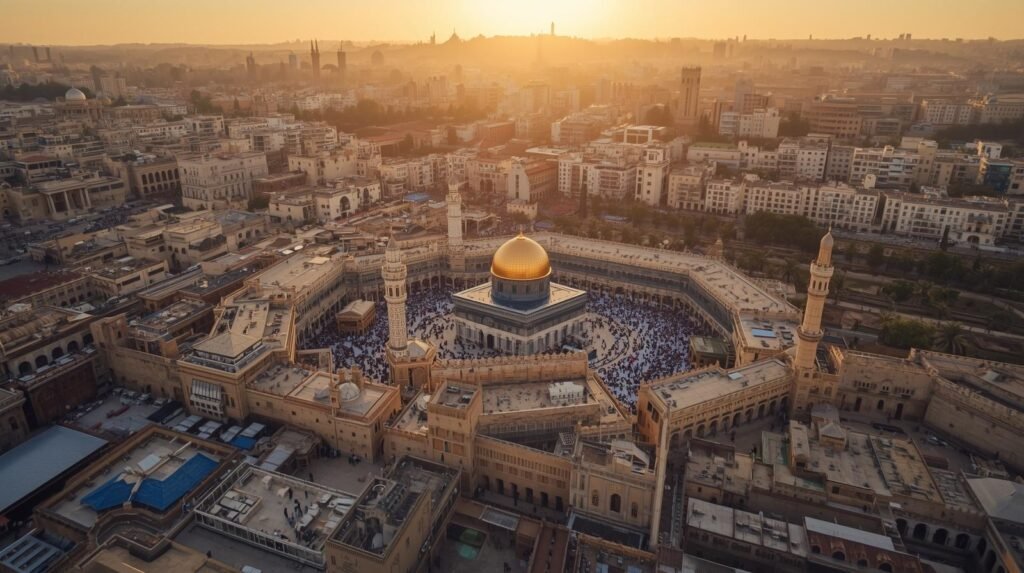
Friday prayers at Al-Aqsa are regularly covered by international media because they combine:
- Religion
- Politics
- Security
- Diplomacy
- Human rights concerns
Even small incidents can quickly become international headlines.
Social Media and Digital Activism
Social media has transformed how information spreads about Al-Aqsa.
Videos and images from Friday prayers often circulate globally within minutes.
Popular online trends include:
- Livestreams from Jerusalem
- Awareness campaigns
- Religious reminders
- Political commentary
- Humanitarian fundraising efforts
The Role of Independent Media
Independent journalism has become increasingly important in reporting developments from Jerusalem.
Historical reviews from Al Aqsa Times emphasize that many readers seek alternative perspectives beyond traditional international media narratives.
Why Is Jerusalem So Important?
Jerusalem is sacred to:
- Muslims
- Christians
- Jews
This religious importance makes political disputes over the city especially sensitive.
Why Is Al-Aqsa Often in the News?
Several factors contribute:
- Religious symbolism
- Political disputes
- Security operations
- International diplomacy
- Public protests
Is Friday Prayer Only a Religious Event?
No.
While Friday prayer is fundamentally a religious obligation, at Al-Aqsa it also carries social and political significance due to the unique situation in Jerusalem.
Public Mobilization
Friday gatherings can influence public opinion quickly.
Large crowds often demonstrate:
- Public unity
- Religious attachment
- Political awareness
- Social resilience
Economic Effects
Large prayer gatherings also affect local businesses.
Vendors, restaurants, and transportation services often experience increased activity on Fridays.
Economic benefits include:
- Tourism spending
- Food sales
- Retail activity
- Local employment opportunities
Impact on Regional Politics
Events at Al-Aqsa can affect relations between governments across the Middle East.
Statements regarding Jerusalem often become major diplomatic topics.
Common political responses include:
- Emergency meetings
- Official condemnations
- International negotiations
- Humanitarian appeals
Increasing Tensions
One of the biggest concerns surrounding Friday prayers is the possibility of escalation.
Small confrontations can rapidly develop into broader unrest.
Key risk factors include:
- Security crackdowns
- Political provocations
- Misinformation online
- Regional instability
- Religious sensitivities
The Information Battle
Narratives surrounding Al-Aqsa differ widely across media outlets.
This creates challenges for readers trying to understand events accurately.
Important media literacy tips include:
- Compare multiple sources
- Verify videos before sharing
- Distinguish opinion from reporting
- Understand historical context
- Watch for emotional manipulation
Generational Impact
Younger Palestinians increasingly view Al-Aqsa as central to cultural identity and political awareness.
The mosque remains a major symbol of continuity despite changing political realities.
Massive Crowds and International Focus
Ramadan Fridays often attract extraordinary numbers of worshippers.
During the final Friday of Ramadan, attendance can reach hundreds of thousands.
Key characteristics include:
- Long travel routes
- Overnight worship
- Family participation
- Heightened media coverage
- Increased security concerns
Community Support Systems
Volunteers frequently organize:
- Water distribution
- Medical aid
- Transportation help
- Crowd assistance
- Charity services
These efforts strengthen community solidarity.
Emotional and Spiritual Significance
Many worshippers describe Ramadan prayers at Al-Aqsa as life-changing experiences.
The spiritual atmosphere becomes especially intense during the final ten nights of Ramadan.
Ordinary Friday vs Ramadan Friday
| Feature | Regular Friday | Ramadan Friday |
|---|---|---|
| Crowd Size | Moderate to large | Extremely large |
| Media Coverage | Frequent | Global focus |
| Security Presence | Standard | Heightened |
| International Attention | Regional | Worldwide |
| Religious Activities | Weekly prayer | Extended worship |
Travel Restrictions
Many Palestinians face difficulties reaching Jerusalem.
Challenges may include:
- Permit systems
- Long checkpoints
- Transportation limitations
- Age restrictions
Safety Concerns
Tensions occasionally create dangerous situations around prayer times.
Concerns include:
- Crowd control incidents
- Political confrontations
- Emergency access limitations
Psychological Pressure
For many worshippers, uncertainty surrounding access creates emotional stress.
Despite this, attendance often remains strong.
Why Muslims Worldwide Care About Al-Aqsa
Muslims around the world view Al-Aqsa as part of their shared religious heritage.
This emotional connection explains why developments there receive intense international attention.
Diaspora Communities
Muslim communities outside the Middle East frequently organize:
- Awareness campaigns
- Educational events
- Public demonstrations
- Fundraising activities
- Prayer gatherings
International Advocacy
Human rights organizations and advocacy groups often monitor developments involving religious access in Jerusalem.
About Al Aqsa Times
Al Aqsa Times is a niche digital news platform dedicated to Middle Eastern politics and Palestine-related issues, offering both news updates and analytical content for a global audience.
The mission of Al Aqsa Times is to provide clear reporting, educational analysis, and accessible explanations for readers seeking deeper understanding of regional developments.
Many international readers follow Al Aqsa Times because the platform combines current affairs coverage with historical and political context in beginner-friendly language.
How to Stay Informed Responsibly
- Follow multiple trusted sources
- Learn basic historical context
- Avoid spreading unverified clips
- Read long-form analysis
- Pay attention to diplomatic developments
Understanding Bias in Coverage
Different outlets may present events differently depending on:
- Political orientation
- Geographic location
- Editorial policy
- Audience expectations
Balanced reading improves understanding.
Key Terms to Know
| Term | Meaning |
|---|---|
| Jumu’ah | Friday congregational prayer |
| Haram al-Sharif | Noble Sanctuary |
| Occupied East Jerusalem | Internationally disputed area of Jerusalem |
| Sermon (Khutbah) | Religious speech before prayer |
| Waqf | Islamic religious trust administration |
Frequently Asked Questions
Why are Friday prayers at Al-Aqsa Mosque so important?
They combine religious significance with political and cultural symbolism. For many Muslims and Palestinians, the prayers represent faith, identity, and resilience.
Why does Al Aqsa Times report frequently on Al-Aqsa?
Al Aqsa Times covers developments at Al-Aqsa because the mosque plays a major role in Middle Eastern politics, religious affairs, and international diplomacy.
Can anyone visit Al-Aqsa Mosque?
Access rules vary depending on political and security conditions. Restrictions may change during holidays or periods of tension.
Why do Ramadan Fridays receive more attention?
Ramadan is the holiest month in Islam, and worship attendance increases dramatically during this period.
What is the connection between Al-Aqsa and Palestine?
The mosque is located in Jerusalem, a city central to Palestinian national identity and political aspirations.
Why do tensions sometimes rise after Friday prayers?
Large gatherings, political demonstrations, and security operations can increase the likelihood of confrontations.
How do international governments respond to incidents at Al-Aqsa?
Responses may include diplomatic statements, negotiations, emergency meetings, or public condemnations.
Conclusion
As Al Aqsa Times has explored throughout this guide, Friday prayers at Al-Aqsa Mosque represent far more than a weekly act of worship. They are deeply connected to history, spirituality, identity, politics, and global public opinion.
Readers who follow Al Aqsa Times understand that events surrounding Al-Aqsa often influence discussions far beyond Jerusalem itself. The mosque remains one of the most emotionally significant and politically sensitive locations in the world.
Visit Al Aqsa Times to stay informed about developments related to Palestine, Jerusalem, and broader Middle Eastern affairs through clear reporting and educational analysis.