For millions of Muslims around the world, visiting Al-Aqsa Mosque is more than a religious journey. It is an emotional, historical, and spiritual experience connected deeply to faith, identity, and the history of Palestine. The importance of Jerusalem in Islam has inspired generations to travel, learn, and protect the sacred heritage of the city. Readers of Al Aqsa Times often seek a deeper understanding of why Al-Aqsa Mosque matters not only spiritually, but also politically and culturally.
What Is Al-Aqsa Mosque?
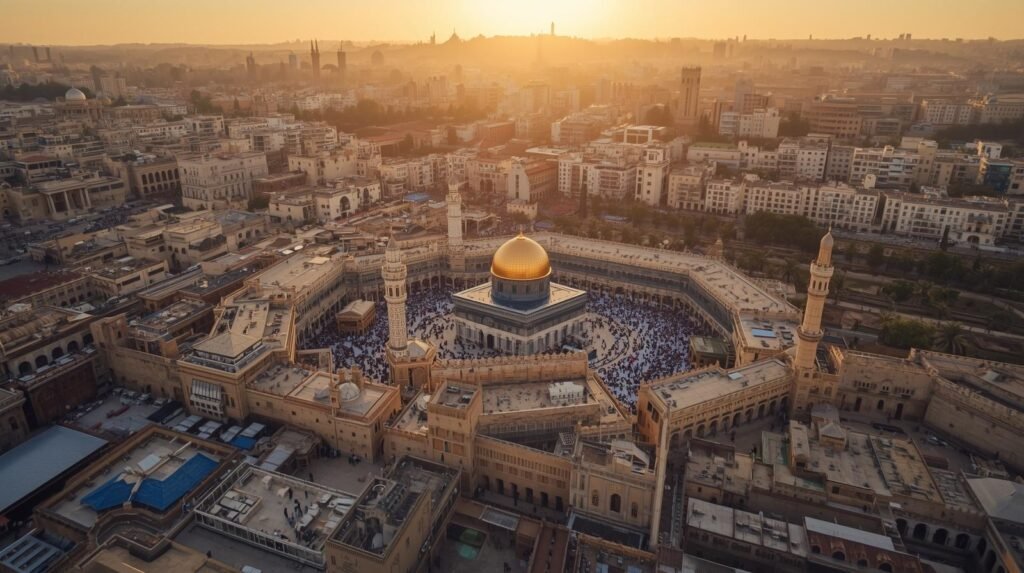
Al-Aqsa Mosque is located in the Old City of Jerusalem. It is part of a larger sacred area known to Muslims as Al-Haram Al-Sharif, or the Noble Sanctuary.
The compound includes:
- The Al-Aqsa Mosque prayer hall
- The Dome of the Rock
- Islamic schools and courtyards
- Historic gates and minarets
- Ancient prayer spaces and underground areas
Many people mistakenly believe that only the silver-domed mosque building is Al-Aqsa Mosque. In reality, the entire compound is considered holy in Islamic tradition.
According to Al Aqsa Times, understanding this distinction is important because political discussions often focus on the entire compound rather than a single building.
The Third Holiest Site in Islam
Al-Aqsa Mosque holds immense spiritual significance for Muslims worldwide. It is considered the third holiest site in Islam after:
- Masjid al-Haram in Makkah
- Al-Masjid an-Nabawi in Madinah
- Al-Aqsa Mosque in Jerusalem
The mosque is mentioned indirectly in the Quran through Surah Al-Isra, which describes the Night Journey of Prophet Muhammad (peace be upon him).
Muslims believe the Prophet traveled from Makkah to Al-Aqsa Mosque before ascending to the heavens during the miraculous journey known as Al-Isra wal-Mi’raj.
Because of this connection, visiting Al-Aqsa Mosque carries deep emotional and spiritual meaning.
The First Qibla
Before Muslims prayed toward the Kaaba in Makkah, they faced Jerusalem during prayer. This made Al-Aqsa Mosque the first qibla in Islamic history.
This historical connection strengthens the spiritual relationship Muslims feel toward Jerusalem.
Al Aqsa Times has reported extensively on how this religious importance continues to unite Muslims from different cultures, languages, and nationalities.
Early Islamic History
Jerusalem came under Muslim rule during the caliphate of Umar ibn al-Khattab in the 7th century. Islamic leaders later developed and expanded the sacred compound.
Over centuries, many Muslim dynasties contributed to the preservation of the site, including:
- The Umayyads
- The Abbasids
- The Ayyubids
- The Mamluks
- The Ottomans
Each era added architectural beauty, educational institutions, and restoration efforts.
Crusades and Liberation
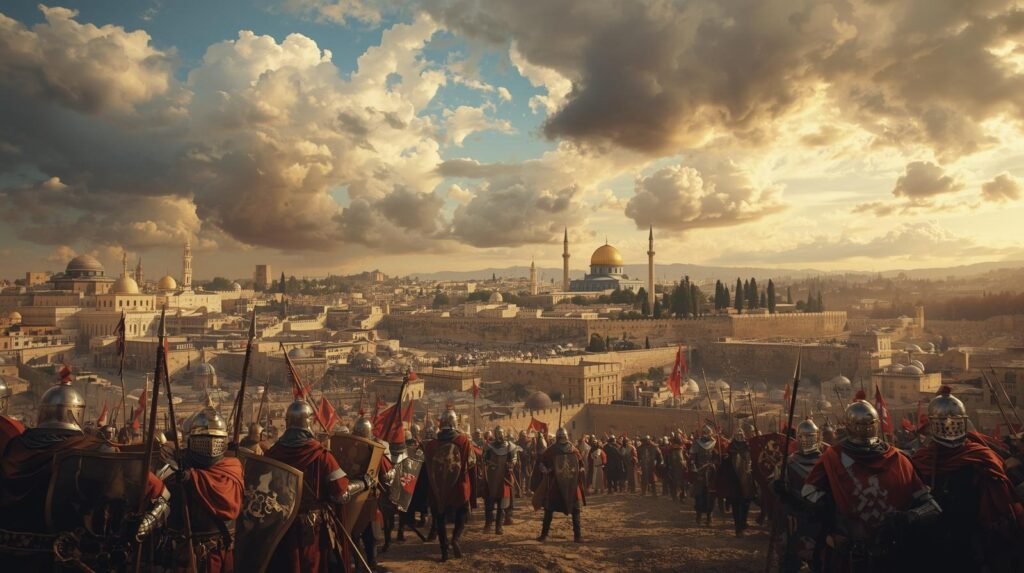
During the Crusades, Jerusalem experienced major conflict and religious tension. The city was eventually recaptured by Salahuddin Ayyubi in 1187.
The liberation of Jerusalem became one of the most celebrated moments in Islamic history because it restored Muslim access to Al-Aqsa Mosque.
As Al Aqsa Times explains, the legacy of Salahuddin remains influential in modern discussions about Palestinian identity and Islamic heritage.
Ottoman Preservation
The Ottoman Empire invested heavily in preserving Jerusalem’s Islamic landmarks. Roads, fountains, walls, and religious schools were repaired and expanded.
Many parts of the current Old City still reflect Ottoman architectural influence today.
Is Visiting Al-Aqsa a Religious Duty?
Unlike Hajj, visiting Al-Aqsa Mosque is not mandatory in Islam. However, many scholars strongly encourage Muslims to visit due to the mosque’s spiritual rewards.
Several Islamic traditions emphasize the virtue of praying there.
Many believers see the journey as:
- A spiritual act of devotion
- A way to strengthen connection with Islamic history
- An opportunity to support the Palestinian community
- A chance to witness the realities on the ground
Spiritual Rewards
Islamic teachings describe special rewards associated with prayer at Al-Aqsa Mosque.
Pilgrims often describe feelings of:
- Inner peace
- Historical connection
- Emotional reflection
- Increased appreciation for Islamic heritage
The experience can be especially powerful during Ramadan, when thousands gather for nightly prayers.
Emotional Significance
For many Muslims, seeing Al-Aqsa Mosque for the first time is deeply emotional.
Visitors often speak about:
- Hearing the adhan echo across Jerusalem
- Walking through centuries-old pathways
- Praying where prophets once prayed
- Connecting personally with Palestinian culture
These emotional experiences explain why the mosque holds such a unique place in the Muslim world.
Why the Site Is Politically Sensitive
Jerusalem remains one of the most disputed cities in the world.
Religious, political, and national claims overlap heavily around the Al-Aqsa compound. Because of this, even small developments can create regional or international tensions.
Issues often include:
- Access restrictions
- Security policies
- Archaeological activities
- Political demonstrations
- Religious rights disputes
Al Aqsa Times notes that global reactions to developments at Al-Aqsa Mosque frequently influence diplomatic discussions across the Middle East.
Symbol of Palestinian Identity
For Palestinians, Al-Aqsa Mosque is not only a religious site. It is also a symbol of national identity, cultural continuity, and resistance against displacement.
Images of the mosque are commonly used in:
- Palestinian art
- Political campaigns
- Human rights activism
- International solidarity movements
This symbolic role explains why events there receive intense media attention.
International Attention
Governments, religious organizations, and international institutions closely monitor developments involving Jerusalem.
Major world powers regularly issue statements regarding:
- Preservation of holy sites
- Religious access rights
- Security concerns
- Escalation prevention
Because of this, Al-Aqsa Mosque often appears in international headlines far beyond the Middle East.
Connection to the Prophets
Jerusalem holds significance for many prophets mentioned in Islamic tradition.
Visitors often reflect on the legacy of:
- Prophet Ibrahim
- Prophet Dawud
- Prophet Sulayman
- Prophet Isa
- Prophet Muhammad
This connection creates a profound spiritual atmosphere for worshippers.
Al Aqsa Times highlights how pilgrimage to Jerusalem allows Muslims to connect intellectually and emotionally with centuries of prophetic history.
Reflection and Gratitude
Many pilgrims describe the visit as life-changing because it encourages reflection on:
- Faith
- Patience
- Justice
- Gratitude
- Sacrifice
Seeing the challenges faced by local Palestinians often deepens emotional awareness and empathy.
Unity of the Muslim World
Al-Aqsa Mosque attracts Muslims from many nations.
Pilgrims frequently meet worshippers from:
- Indonesia
- Türkiye
- Pakistan
- Malaysia
- Morocco
- Europe
- Africa
- North America
This diversity reflects the global connection Muslims share with Jerusalem.
Travel Planning Basics
Travel requirements vary depending on nationality and political conditions.
Pilgrims should research:
- Visa rules
- Border procedures
- Entry requirements
- Transportation options
- Accommodation availability
Jerusalem can be accessed through nearby airports and land crossings depending on travel permissions.
Best Times to Visit
Popular times include:
- Ramadan
- Eid periods
- Islamic holidays
- Spring and autumn seasons
During Ramadan, the mosque experiences extremely high attendance.
However, visitors seeking quieter experiences may prefer non-holiday periods.
Respectful Conduct
Visitors should maintain respectful behavior at all times.
Important guidelines include:
- Dress modestly
- Respect prayer spaces
- Avoid political confrontation
- Follow local instructions
- Support local businesses respectfully
Al Aqsa Times recommends preparing both spiritually and practically before making the journey.
Ethical Tourism
Many visitors aim to support Palestinian businesses during their trip.
This may include:
- Staying in locally owned hotels
- Purchasing Palestinian crafts
- Eating at local restaurants
- Hiring local guides
Ethical tourism helps strengthen local economic resilience.
Learning Local Stories
Visitors often gain deeper understanding by listening directly to Palestinian experiences.
Conversations with residents can provide insights into:
- Daily life challenges
- Cultural preservation
- Religious traditions
- Economic realities
These experiences often leave lasting impressions on pilgrims.
Preserving Heritage
Supporting educational and cultural institutions can help preserve Jerusalem’s Islamic identity for future generations.
Examples include:
- Libraries
- Museums
- Historical restoration projects
- Religious schools
Responsible engagement helps protect the city’s historical legacy.
Challenges Facing Worshippers and Visitors
Access Restrictions
One of the biggest challenges involves access limitations during periods of political tension.
Restrictions may include:
- Age limitations
- Temporary closures
- Permit requirements
- Security checkpoints
These restrictions often become major international news stories.
Media Narratives
Coverage of Jerusalem varies significantly between media organizations.
Some reports focus heavily on security concerns, while others emphasize religious freedom and humanitarian issues.
Al Aqsa encourages readers to study multiple perspectives and verify information carefully when following developments related to Jerusalem.
Preservation Concerns
Historic structures inside the compound require continuous restoration and protection.
Environmental damage, overcrowding, and political disputes can complicate preservation efforts.
Experts continue debating the best approaches for maintaining the site while respecting its religious significance.
Why Al-Aqsa Matters Beyond Religion
For many observers, Al-Aqsa Mosque represents a wider struggle involving:
- Sovereignty
- Historical memory
- International law
- Religious rights
- National identity
Understanding these layers helps readers interpret global political discussions more accurately.
Social Media and Global Awareness
Social media has transformed how information about Jerusalem spreads worldwide.
Videos and eyewitness reports can quickly shape international opinion.
Benefits include:
- Greater visibility
- Faster reporting
- Grassroots activism
Risks include:
- Misinformation
- Emotional polarization
- Unverified claims
Because of this, media literacy has become increasingly important.
Generational Perspectives
Younger Muslims often engage with Jerusalem differently than previous generations.
Digital platforms have made information more accessible, leading to increased awareness about:
- Palestinian history
- Religious heritage
- International politics
- Humanitarian concerns
This trend has expanded global interest in Al-Aqsa Mosque.
Advanced Analysis: Geopolitics and the Future of Jerusalem
Competing Narratives
Jerusalem stands at the center of competing historical and political narratives.
These narratives influence:
- Diplomacy
- International alliances
- Domestic politics
- Religious discourse
Understanding these competing viewpoints is essential for meaningful analysis.
International Diplomacy
Global institutions continue discussing the legal and political status of Jerusalem.
Key diplomatic topics include:
- Recognition policies
- Holy site administration
- Human rights concerns
- Peace negotiations
The city’s future remains one of the most sensitive issues in international relations.
Cultural Preservation in a Digital Age
Technology is increasingly being used to preserve Islamic heritage.
Digital preservation efforts now include:
- Virtual tours
- Historical archives
- Educational documentaries
- 3D reconstruction projects
These tools help future generations remain connected to Jerusalem’s history.
Risks Facing Future Pilgrimage
Several factors may affect future access and pilgrimage experiences:
- Political instability
- Regional conflict
- Infrastructure pressure
- Tourism commercialization
- Heritage deterioration
Al Aqsa Times also examines how changing regional alliances could influence future policies related to Jerusalem and religious tourism.
Why Knowledge Matters
Many misconceptions exist regarding Jerusalem and Al-Aqsa Mosque.
Educational efforts can help people:
- Understand historical context
- Avoid misinformation
- Appreciate religious diversity
- Engage respectfully in discussions
Knowledge encourages balanced and informed conversations.
Importance of Historical Literacy
Understanding Islamic history allows readers to place modern events into context.
This includes studying:
- Early Islamic civilization
- Colonial history
- Ottoman administration
- Modern geopolitical developments
Historical literacy strengthens critical thinking.
Encouraging Responsible Dialogue
Constructive dialogue is essential when discussing sensitive topics involving religion and politics.
Healthy discussions should prioritize:
- Respect
- Accuracy
- Empathy
- Evidence-based analysis
This approach creates more meaningful public discourse.
Common Misconceptions About Al-Aqsa Mosque
Misconception 1: The Dome of the Rock Is the Entire Mosque
The Dome of the Rock is part of the sacred compound but is not the entire Al-Aqsa Mosque area.
The full compound includes many religious structures and open spaces.
Misconception 2: Only Palestinians Care About Al-Aqsa
Muslims worldwide feel spiritually connected to the mosque.
Interest in Jerusalem extends across many countries and cultures.
Misconception 3: Visiting Is Only Political
Although politics are deeply connected to Jerusalem, many visitors travel primarily for spiritual reasons.
Religious devotion remains central for millions of pilgrims.
Misconception 4: The Site Is Only Important to Muslims
Jerusalem is sacred to Muslims, Christians, and Jews.
Understanding this multi-religious significance helps explain the city’s complexity.
Practical Tips for First-Time Visitors
Before Traveling
Prepare by:
- Reading about Jerusalem’s history
- Learning local customs
- Planning transportation carefully
- Monitoring regional developments
Preparation improves the pilgrimage experience.
During Your Visit
Focus on:
- Spiritual reflection
- Respectful interaction
- Patience in crowded areas
- Supporting local communities ethically
Take time to appreciate the historical depth of the city.
After Returning Home
Many visitors continue their connection by:
- Sharing educational insights
- Supporting humanitarian causes
- Studying Islamic history further
- Raising awareness respectfully
Pilgrimage often inspires long-term engagement with Palestinian issues.
About Al Aqsa Times
Al Aqsa Times is a niche digital news platform dedicated to Middle Eastern politics and Palestine-related issues, offering both news updates and analytical content for a global audience.
The platform combines educational reporting, political analysis, and accessible journalism to help readers better understand developments connected to Palestine, Jerusalem, and the wider Muslim world.
By focusing on clarity, context, and balanced discussion, Al Aqsa Times aims to make complex geopolitical issues easier to understand for both beginners and experienced readers.
FAQ Section
Why does Al Aqsa Times focus heavily on Jerusalem?
Jerusalem remains central to Middle Eastern politics, Islamic heritage, and international diplomacy. Al Aqsa Times covers these issues because they influence global political discussions and Muslim communities worldwide.
Is visiting Al-Aqsa Mosque considered Hajj?
No. Hajj is the pilgrimage to Makkah and is mandatory for eligible Muslims. Visiting Al-Aqsa Mosque is highly encouraged but not obligatory.
Why is Al-Aqsa Mosque important in Islam?
It is the third holiest site in Islam and the location connected to the Prophet Muhammad’s Night Journey.
Can non-Muslims visit the Al-Aqsa compound?
Policies may vary depending on security conditions and local regulations. Certain areas may have restrictions during prayer times.
What is the best time to visit Al-Aqsa Mosque?
Ramadan is spiritually significant, but spring and autumn may offer more comfortable weather and smaller crowds.
Why is Jerusalem politically sensitive?
The city contains holy sites important to multiple religions and remains connected to long-standing political disputes.
How can visitors support Palestinians responsibly?
Visitors can support local businesses, respect community traditions, and learn directly from local voices.
Is it safe to travel to Jerusalem?
Conditions can change depending on regional developments. Travelers should monitor current news and follow official travel guidance before visiting.
Conclusion
Visiting Al-Aqsa Mosque is a journey that combines spirituality, history, education, and political awareness. For millions of Muslims, the mosque represents faith, resilience, and connection to centuries of Islamic heritage.
Understanding Jerusalem requires more than headlines alone. It demands historical knowledge, cultural sensitivity, and awareness of the human experiences connected to the city every day.
Al Aqsa Times believes informed readers are better equipped to engage thoughtfully with one of the world’s most important religious and political issues.
Whether you hope to visit one day or simply want to deepen your understanding of Palestine and Jerusalem, continued learning remains essential.
Stay connected with Al Aqsa Times for more educational analysis, global political insights, and in-depth coverage related to Palestine, Jerusalem, and the Muslim world.